You Won’t Believe What Stockholm’s Art Scene Is Hiding
Stockholm isn’t just clean streets and minimalist design—its soul lives in the art tucked around every corner. From subway galleries to quiet museum moments, I was stunned by how deeply culture runs here. It’s not about flashy landmarks; it’s raw, local, and alive. If you think Scandinavian art is cold, think again. This city pulses with color, history, and quiet rebellion. Let me take you where the guidebooks don’t.
The Underground Gallery: Where Commuters Walk Through Art
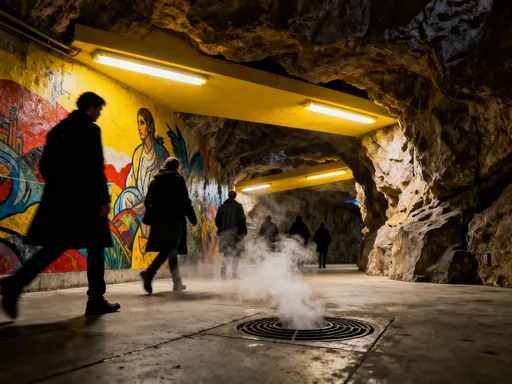
Most cities treat subways as functional spaces—necessary, perhaps efficient, but rarely inspiring. Stockholm defies this norm. Beneath the surface, the city’s metro system is a living art gallery stretching over 100 kilometers, often called the world’s longest art exhibition. Every day, thousands of commuters pass through stations transformed into immersive artistic experiences, where concrete walls become canvases and tunnels echo with creative intent. Stations like T-Centralen, with its bold red cave-like walls painted by artist Siri Derkert, or Solna Centrum, where vibrant murals burst with geometric patterns and symbolic imagery, reveal a city that values beauty in the mundane.
What makes this underground art so powerful is not just its scale, but its accessibility. Unlike traditional galleries that require tickets, curated timing, or a certain cultural background, the metro’s art meets people where they are—on their way to work, school, or home. A mother pushing a stroller pauses to photograph a mosaic of birds in flight; a teenager listens to music while leaning against a wall painted with ancient runes. These are not passive observers but participants in an unspoken dialogue between artist and citizen. The integration of art into public infrastructure reflects a deeper philosophy: that creativity should not be reserved for elites, but woven into the fabric of everyday life.
More than 90 of Stockholm’s 100 metro stations feature permanent artworks, commissioned through Sweden’s “Percent for Art” policy, which allocates a portion of public construction budgets to artistic installations. This long-standing commitment ensures that new developments do not sacrifice aesthetic value for utility. The result is a city where art is not an afterthought but a foundational element of urban planning. From sculptures embedded in platform floors to ceiling installations that mimic northern lights, the metro becomes a journey through Sweden’s artistic soul—one stop at a time.
From Royal Palaces to People’s Culture: The Evolution of Swedish Art
To understand Stockholm’s current art landscape, one must trace its roots from monarchy to democracy. The Royal Palace in Gamla Stan stands as a grand testament to Sweden’s regal past, housing centuries of portraiture, ceremonial artifacts, and ornate interiors. Nearby, the Livrustkammaren (Armory Museum) displays royal garments, weapons, and relics that once symbolized power and divine right. These institutions reflect a time when art served the crown, glorifying lineage and reinforcing hierarchy. Yet today, the same city that once celebrated kings now champions collective cultural ownership.
The shift began in the 20th century, as Sweden embraced social democracy and expanded public access to education, healthcare, and the arts. The government established funding bodies like the Swedish Arts Council and introduced policies ensuring that artists could earn a living wage through grants and public commissions. This democratization of culture meant that art was no longer the domain of aristocrats or the wealthy few. Instead, it became a shared national resource, supported by taxpayers and accessible to all.
This historical transformation explains why Stockholm’s art feels so inclusive. Museums offer free admission to permanent collections; libraries host rotating exhibitions; even public housing complexes feature commissioned murals. The message is clear: culture belongs to everyone. This ethos extends beyond the capital, with regional arts centers and traveling exhibitions reaching rural communities. In schools, children learn not only to appreciate art but to create it, fostering a lifelong relationship with expression. The legacy of royal patronage has not been erased—it has been reimagined, evolving into a system where every citizen is both heir and contributor to the nation’s creative legacy.
Moderna Museet: Bold Vision in a Quiet Harbor Setting
On the tranquil island of Skeppsholmen, surrounded by shimmering waters of Saltsjön, stands Moderna Museet—the crown jewel of Sweden’s modern art scene. Its sleek, low-rise architecture blends seamlessly with the maritime landscape, offering a serene backdrop to some of the most provocative works of the 20th and 21st centuries. Inside, the museum houses an impressive collection that includes masterpieces by Pablo Picasso, Salvador Dalí, and Henri Matisse, alongside pioneering Swedish artists like Hilma af Klint, whose abstract compositions predate Kandinsky’s and challenge traditional narratives of art history.
Hilma af Klint’s work, in particular, exemplifies the museum’s commitment to underrepresented voices. A mystic and scientist as much as an artist, she created large-scale abstract paintings based on spiritual visions, believing art could serve as a bridge between the material and metaphysical worlds. Though largely unrecognized during her lifetime, her posthumous rise to international fame has been meteoric, with Moderna Museet playing a central role in reclaiming her legacy. Her presence in the collection signals more than artistic excellence—it reflects a willingness to question canon and explore the boundaries of perception.
What sets Moderna Museet apart is not just its curation but its atmosphere. Unlike some modern art institutions that feel austere or intimidating, this museum invites contemplation. Large windows overlook the harbor, allowing natural light to flood the galleries and offering visual pauses between intense exhibits. Temporary installations often spill into outdoor spaces, where sculptures interact with wind, water, and seasonal change. The museum also hosts film screenings, artist talks, and family workshops, reinforcing its role as a dynamic cultural hub rather than a static repository. For visitors, a day here is not just educational—it’s transformative, offering a space to slow down, reflect, and reconnect with the deeper currents of human expression.
Folk Art and Craft: The Heartbeat of Swedish Tradition
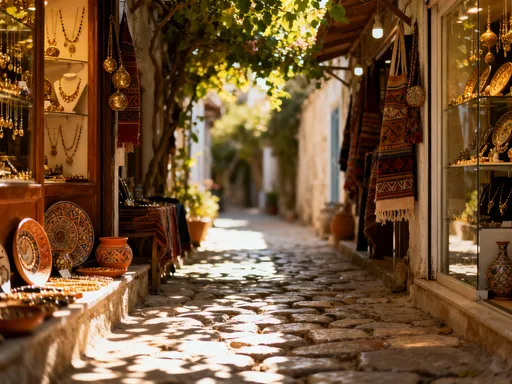
Beyond the polished galleries and sleek design stores lies another layer of Swedish art—one rooted in soil, wood, and generations of quiet craftsmanship. In neighborhoods like Södermalm and in small towns across the archipelago, traditional folk art remains a vibrant force. The iconic Dala horse, hand-carved and painted in kurbits patterns, is more than a souvenir; it’s a symbol of rural resilience and regional pride. Rosemaling, the decorative painting tradition originating in Norway but embraced in border regions, adorns furniture and household objects with swirling floral motifs in red, green, and gold. Textile weaving, especially the intricate techniques of rölakan and flamskväv, continues in homes and craft studios, producing durable, beautiful fabrics that honor both function and form.
These traditions are not frozen in time. They are actively practiced, taught in community centers, and celebrated at seasonal markets like the Christmas fairs in Skansen and Stortorget. Artisans pass down skills from parent to child, often adapting designs to contemporary tastes while preserving core techniques. The *slöjd* movement—Swedish for handicraft—plays a crucial role in this continuity. Emphasizing simplicity, honesty in materials, and respect for the handmade, *slöjd* shaped Sweden’s broader design philosophy, influencing everything from IKEA’s early furniture to modern sustainable fashion brands.
For visitors, engaging with folk art offers a more intimate connection to Swedish identity. Workshops allow guests to try their hand at wood carving, embroidery, or natural dyeing, guided by local artisans. These experiences go beyond tourism; they foster appreciation for the patience, precision, and cultural memory embedded in each object. In a world increasingly dominated by mass production, Stockholm’s embrace of folk art serves as a quiet resistance—a reminder that beauty can be both useful and deeply personal. It is here, in the rhythm of the loom or the stroke of a paintbrush, that one feels the enduring heartbeat of a nation’s creative spirit.
Street Art with a Message: Beyond Aesthetic Appeal
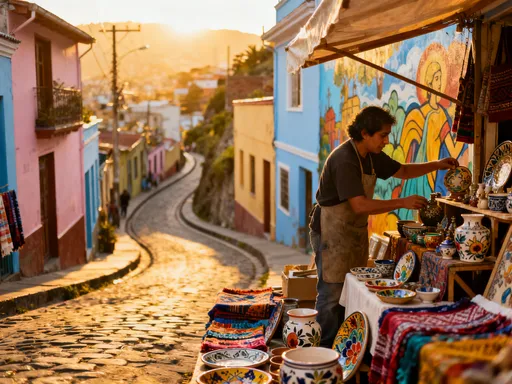
While many cities view street art as vandalism or mere decoration, Stockholm treats it as dialogue. In districts like Kungsholmen, Norrmalm, and parts of Södermalm, walls serve as public forums where artists address pressing social issues. Murals depict melting glaciers, rising sea levels, and endangered species, contributing to national conversations about climate responsibility. Others portray diverse faces united in solidarity, advocating for gender equality, refugee rights, and inclusive communities. These works are not random acts of rebellion but intentional statements, often created in collaboration with city planners or community organizations.
One striking example is the mural of a young girl wearing a crown of solar panels, painted on the side of a school building in Kista. Commissioned as part of a youth environmental initiative, it blends artistic expression with civic education, inspiring students and passersby alike. Similarly, stenciled messages in alleyways near government buildings call for transparency and accountability, using irony and wit to critique policy without inciting conflict. The tone is rarely aggressive; instead, it reflects Sweden’s cultural preference for constructive engagement over confrontation.
The city’s tolerance—and sometimes encouragement—of political street art reveals a deep trust in artists as contributors to public discourse. Rather than erasing graffiti, officials often preserve it, recognizing its value as a barometer of public sentiment. Some neighborhoods even host annual street art festivals, inviting local and international artists to transform blank walls into temporary galleries. This openness does not mean lawlessness; permits are required for large installations, and illegal tagging is still removed. But within this framework, creativity flourishes, offering a visual counterpoint to the city’s otherwise orderly appearance. In Stockholm, street art is not noise—it’s a voice, and the city is listening.
Living Culture: Festivals, Music, and Daily Creative Rituals
Culture in Stockholm is not confined to institutions or special occasions—it breathes in daily rituals and seasonal celebrations. The Stockholm Culture Festival, held every August, turns the city into an open-air stage. Free performances unfold in parks, squares, and harbor promenades: dancers move to live folk music, puppeteers enchant children with handmade marionettes, and poets recite verses in multiple languages. The festival welcomes over a million visitors annually, yet maintains a grassroots feel, with most performers being local artists, community groups, or amateur collectives.
Throughout the year, smaller events sustain this energy. Jazz concerts take place in medieval churches, their acoustics enhancing the soulful improvisations. Independent bookstores host poetry readings where authors read in Swedish, English, and immigrant languages, reflecting the city’s growing diversity. Design pop-ups appear in vacant lots or repurposed garages, showcasing furniture, ceramics, and wearable art from emerging creators. Libraries, far from being silent repositories, function as cultural hubs—offering film screenings, art classes, and maker spaces equipped with 3D printers and sewing machines.
Even schools play a vital role in nurturing creativity. Swedish education emphasizes artistic development from an early age, with students spending significant time on music, visual arts, and drama. Many public schools partner with museums or theaters, bringing professionals into classrooms and taking children on regular cultural outings. This systemic support ensures that artistic engagement is not a privilege but a right, shaping a population that values imagination as much as intellect. For residents, attending a concert, visiting an exhibition, or joining a craft circle is as routine as going to the market or walking in the park. In this way, culture is not something one consumes—it is something one lives.
How to Experience Stockholm’s Art Like a Local
To truly connect with Stockholm’s art scene, one must step beyond the typical tourist path. Begin by visiting museums on Wednesday evenings, when many—including Moderna Museet and the Vasa Museum—offer free or extended hours. These times attract locals, creating a more authentic atmosphere and opportunities for casual conversation. Instead of rushing through exhibits, allow time to linger, observe, and absorb. Bring a notebook or sketchpad—many Swedes do the same, using museums as spaces for personal reflection and creative inspiration.
Explore Södermalm’s back alleys, where former warehouses now house independent galleries, vintage shops, and artist studios. Places like Galleri Charlotte Lund or Index—The Swedish Contemporary Art Foundation—show experimental works by emerging talents. Stop by café exhibitions, where baristas double as curators, displaying local photography or illustrations on rotating schedules. These informal spaces often welcome questions, and artists are sometimes present, offering insights into their process.
Engage with the community by attending open studio events, especially during Kulturnatten (Culture Night), when hundreds of artists across the city open their workspaces to the public. Participate in a craft workshop—many community centers offer short courses in weaving, pottery, or woodwork, often in English. Take a ferry to Djurgården not only for the Vasa Museum or ABBA Arena but to experience how nature and culture coexist. Walk the forest paths, then pause at outdoor sculptures or sound installations hidden among the trees.
Finally, talk to people. Swedes may seem reserved at first, but they open up when discussing art, design, or sustainability. Ask about favorite galleries, recent exhibitions, or local traditions. You might be invited to a private viewing, a home concert, or a midsummer craft circle. These moments—unscripted and genuine—are where the true spirit of Stockholm’s art reveals itself.
Stockholm’s art and culture aren’t locked in halls—they breathe in stations, streets, and silences. This city teaches that creativity thrives not in isolation, but in everyday life. To visit is not just to see, but to feel a different way of living. Let it change how you see art—anywhere.