You Won’t Believe What I Ate at Iguazu Falls – Local Flavors That Stole the Show
Standing beneath the thunderous roar of Iguazu Falls, I never expected my biggest travel memory to come from a plate of food. Beyond the misty rainbows and jungle trails, Brazil’s rich culinary soul shines through every bite. From street-side pastéis to sweet guarana drinks, local flavors here don’t just fill your stomach—they tell a story. If you’re heading to Iguazu, skip the tourist traps. Let me show you how to eat like a local and turn every meal into an adventure.
Arrival in the Wild: Setting the Scene for Iguazu
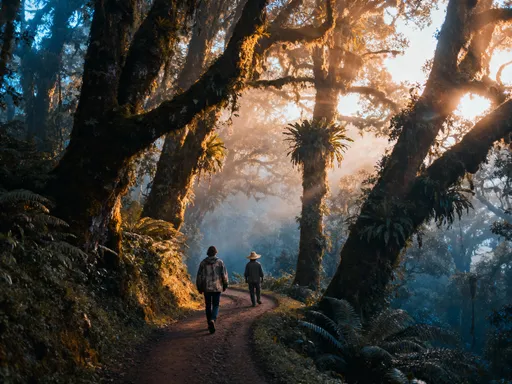
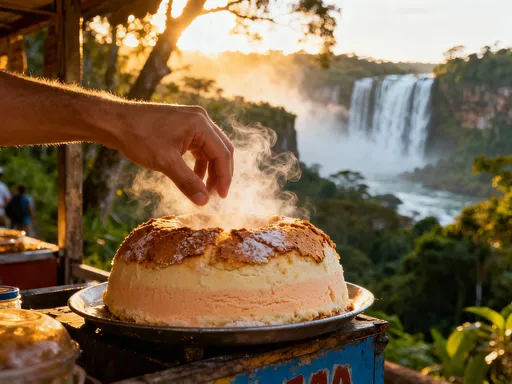
Iguazu Falls, straddling the border between Brazil and Argentina, is one of the most powerful natural spectacles on Earth. With over 275 individual cascades spread across nearly two miles of lush rainforest, the falls are a symphony of water, sound, and mist. The surrounding Atlantic Forest, a UNESCO World Heritage site, teems with howler monkeys, toucans, and colorful butterflies, creating an immersive experience that awakens all the senses. As you walk the wooden trails leading to viewpoints like the Devil’s Throat, the air grows thick with humidity and the constant roar of falling water echoes through the trees.
Yet amid this overwhelming natural drama, something surprisingly human becomes essential: nourishment. After hours of hiking under the tropical sun, with sweat trickling down your back and your camera battery long drained, it’s not just water you crave—it’s flavor. It’s comfort. It’s the warmth of a meal that grounds you after being swept away by nature’s grandeur. This is where Iguazu’s culinary culture steps in, offering a quiet counterpoint to the falls’ intensity. The nearby city of Foz do Iguaçu, often overlooked as merely a gateway, emerges as a cultural crossroads where Brazilian, Argentine, and Paraguayan influences blend seamlessly, especially on the plate.
Foz do Iguaçu is more than a transit point—it’s a living mosaic of flavors shaped by waves of immigration and indigenous traditions. The city’s markets, corner eateries, and roadside stalls reflect a deep-rooted food culture that thrives despite the region’s reputation as a nature destination. Travelers who limit their experience to the park trails miss half the story. Just as the falls are fed by countless streams, the local cuisine draws from diverse sources: Guarani heritage, Italian and Portuguese cooking techniques, and the bold spices of immigrant communities. Eating here isn’t incidental; it’s integral to understanding the place.
Why Local Cuisine Matters in a Nature Destination
When visiting a destination famed for its natural beauty, it’s easy to treat food as an afterthought—an energy refill between hikes or photo stops. But in places like Iguazu, where the landscape is so dominant, cuisine becomes a vital thread connecting visitors to the region’s soul. Food is memory. It’s identity. And in southern Brazil, where regional pride runs deep, every dish carries a quiet history of survival, adaptation, and celebration.
The cuisine of this area is not defined by a single tradition but by a rich blend of influences. Indigenous Guarani people contributed ingredients like cassava, corn, and yerba mate, which remain staples today. Portuguese colonizers introduced dairy, bread-making, and preservation techniques. Later waves of Italian, German, and Middle Eastern immigrants added layers of flavor—cheese, cured meats, pastries, and slow-cooked stews—that now feel inherently Brazilian. This fusion didn’t happen overnight; it evolved through generations of families adapting their recipes to local ingredients and climates.
Tasting local food in Iguazu is not just about satisfying hunger—it’s about participating in a living culture. When you bite into a warm pão de queijo, you’re tasting a recipe born from resourcefulness, using cassava flour when wheat was scarce. When you sip tereré under the shade of a palm tree, you’re joining a centuries-old ritual of community and refreshment. These experiences deepen travel in a way that sightseeing alone cannot. They create emotional anchors, transforming a trip from a series of sights into a story with texture, aroma, and warmth.
For travelers, especially women in the 30–55 age range who often plan family trips and value meaningful connections, food offers a gentle, accessible way to engage with a new place. It’s a shared language. A grandmother serving feijoada with pride, a vendor offering a sample of freshly fried pastel—these moments build trust and openness. They remind us that travel isn’t just about seeing the world, but feeling part of it.
Must-Try Street Eats Around Foz do Iguaçu
No visit to Iguazu is complete without indulging in the city’s vibrant street food scene. Unlike the polished restaurants near tourist zones, the real culinary magic happens on sidewalks, in markets, and at small stands where locals line up daily. These are not gimmicks for visitors—they’re daily rituals, passed down through generations, offering bold flavors in humble packages. The best part? Most are affordable, portable, and deeply satisfying after a long morning at the falls.
One of the first treats you’ll encounter is the pastel—a golden, paper-thin pastry deep-fried to crisp perfection. Filled with molten Minas cheese, shredded chicken, or even sweet banana with cinnamon, it’s a handheld delight that balances crunch and richness. The best ones are made to order, fried in clean oil, and served hot. Look for stands with a steady stream of customers; high turnover ensures freshness. A popular spot is the Feirinha do Paraguai, a bustling open-air market on Avenida Brasil, where vendors also sell crafts, spices, and fresh fruit juices.
Another staple is the coxinha, shaped like a teardrop and filled with shredded chicken, cream cheese, and sometimes catupiry, a creamy Brazilian cheese. The exterior is crispy and slightly crumbly, giving way to a soft, savory center. It’s the kind of food that leaves a dusting of flour on your fingers and a smile on your face. Pão de queijo, meanwhile, is a national treasure—small, chewy cheese bread rolls made with tapioca flour. They’re gluten-free, naturally, and best eaten fresh, when the outside is slightly crisp and the inside pulls apart in gooey strands.
These street foods are more than snacks—they’re cultural touchstones. They reflect Brazil’s love for bold textures and comforting flavors. For families traveling with children, they’re also ideal: familiar enough to appeal to picky eaters, yet exotic enough to feel like an adventure. And for solo travelers or women exploring independently, they offer a safe, low-pressure way to engage with local life. You don’t need a reservation or a menu translation—just point, smile, and enjoy.
Hidden Gems: Local Restaurants Off the Tourist Radar
While street food offers quick bursts of flavor, a deeper dive into Iguazu’s cuisine requires a seat at a local table. Beyond the chain restaurants near hotels and attractions, Foz do Iguaçu is dotted with family-run eateries known as lanchonetes or self-services that serve comida caseira—home-cooked meals prepared with care and consistency. These are not Instagrammable spaces with mood lighting and curated playlists. They’re practical, often tiled-floor dining rooms with plastic chairs, chalkboard menus, and the comforting hum of conversation.
One such gem is a small self-service spot tucked behind the Mercado Municipal, where lunchtime brings a steady flow of office workers and retirees. Here, the buffet spreads are a feast of regional classics: feijoada, a slow-simmered stew of black beans, pork ribs, sausage, and smoked bacon, served with farofa (toasted cassava flour), orange slices, and rice. It’s a dish of celebration, traditionally eaten on Wednesdays and Saturdays, and its rich, smoky depth tells a story of resourcefulness—using every part of the animal, transforming humble ingredients into something luxurious.
Another standout is arroz carreteiro, a hearty dish with roots in the gaucho (cowboy) culture of southern Brazil. Made with shredded dried beef, rice, onions, and tomatoes, it’s cooked slowly until the flavors meld into a savory, slightly chewy medley. It’s the kind of meal that sticks to your ribs, perfect after a cool evening or a long day of exploring. Some versions include eggs or bacon, adding layers of richness. What makes it special is its authenticity—this isn’t a dish created for tourists. It’s eaten because it’s nourishing, flavorful, and deeply rooted in rural life.
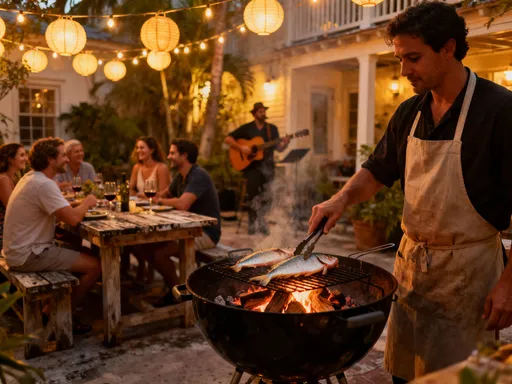
Churrasco, Brazil’s famous barbecue, also appears in unexpected places. While upscale churrascarias offer endless skewers of meat, the home-style versions found in local restaurants are just as rewarding. A simple plate might include a grilled sirloin steak, fried bananas, collard greens, and a fried egg on top. The meat is seasoned with coarse salt and cooked over charcoal, giving it a smoky crust and juicy interior. The sides are not afterthoughts—they’re essential, balancing the richness with acidity, sweetness, and texture.
The secret to finding these places? Follow the locals. If a restaurant is full of Brazilian families on a Sunday afternoon, you’re in the right place. Don’t expect English menus or waiters trained in tourist service. Instead, expect warmth, patience, and food made with pride. These meals may not be fancy, but they are honest—and that honesty is what makes them unforgettable.
Drinks That Define the Region: From Guaraná to Tereré
In a tropical climate like Iguazu’s, what you drink is just as important as what you eat. The heat and humidity demand refreshment, and the region delivers with beverages that are both practical and cultural. Among the most iconic is guaraná, a soft drink made from the seeds of a Amazonian fruit rich in natural caffeine. Its flavor is unique—fruity, slightly tart, with a fizzy sweetness that’s less cloying than cola. Available in glass bottles and cans, it’s a staple in restaurants, markets, and roadside coolers.
More than just a soda, guaraná is a point of national pride. The drink is so popular in Brazil that it often outsells international brands. For travelers, it’s a gentle introduction to the country’s love for native ingredients. You’ll find it in energy drinks, candies, and even ice cream. But the purest form is the original soda, chilled and poured over ice. It’s the perfect companion after a hot hike, reviving your energy without the crash of artificial stimulants.
Another essential drink is suco de caju, or cashew fruit juice. While most of the world knows the cashew nut, few realize it grows from a bright yellow or red fruit that’s juicy and tangy. The juice is thick, smooth, and slightly sweet, often served blended with water or milk. It’s rich in vitamin C and pairs beautifully with savory meals. You’ll find it in juice bars and markets, sometimes mixed with other fruits like mango or guava, but the pure version lets you taste the fruit’s true character.
Perhaps the most culturally significant drink is tereré, a cold infusion of yerba mate served in a gourd with a metal straw called a bombilla. Unlike the hot mate popular in Argentina and Uruguay, tereré is poured with cold or iced water, often flavored with mint, lemongrass, or citrus. It’s a social drink, shared among friends and family, especially in the afternoon. In Paraguay and border regions like Iguazu, it’s a daily ritual—refreshing, mildly stimulating, and deeply communal.
For travelers, trying tereré is a gesture of respect. If offered, accept it politely, even if the flavor is earthy and unfamiliar. You don’t have to drink the whole gourd—just a few sips show appreciation. Some vendors sell pre-made tereré in thermoses, making it easy to carry on trails. It’s a refreshing alternative to sugary drinks, and its cultural significance adds depth to your experience.
Navigating Food Safely and Sustainably
Enjoying local food is one of the greatest joys of travel, but it comes with responsibilities—both to your health and to the environment. In a place like Iguazu, where fresh produce and street food are central to the experience, simple precautions can ensure you stay well and travel with care. The first rule: drink only bottled or filtered water. This includes brushing your teeth and avoiding ice in drinks unless you’re certain it’s made from purified water. Dehydration is a real risk in the humid jungle climate, so carry a reusable water bottle and refill it at hotels or filtered stations.
When choosing where to eat, opt for busy spots with high turnover. A long line of locals is the best indicator of freshness and hygiene. Avoid food that’s been sitting out in the sun or under unclean covers. If a vendor washes their hands before serving you, that’s a good sign. For street food, watch how it’s prepared—food cooked to order in clean oil is safer than pre-fried items stored for hours.
Sustainability is equally important. The Atlantic Forest is a fragile ecosystem, and tourism puts pressure on local resources. Support small, independent vendors instead of large chains. Buy from farmers’ markets where possible, reducing packaging waste. Carry a reusable bag for shopping and a metal straw for drinks. When trying indigenous-inspired foods, do so with respect—avoid calling them “exotic” or treating them as novelties. These are living traditions, not performances.
Another key practice is portion awareness. Brazilian meals can be generous, and food waste is a concern. Order what you can eat, or share dishes with companions. Many local restaurants are happy to pack leftovers in simple containers. By eating mindfully, you honor the labor behind each meal and reduce your environmental footprint.
Putting It All Together: A Food-Lover’s Day in Iguazu
Imagine a perfect day in Iguazu that balances awe and appetite. You begin at sunrise, arriving at the national park as the mist rises from the falls like ghostly veils. The first hour is spent walking the Upper Trail, marveling at turquoise pools and sudden bursts of water. By 9 a.m., the sun is warm, and you’ve worked up an appetite. You return to Foz do Iguaçu and head to the Mercado Municipal, where a small stall serves warm pão de queijo and fresh orange juice. The rolls are still steaming, their cheesy centers pulling apart with each bite. This is breakfast as ritual, simple and satisfying.
By noon, you’re back at the falls, having explored the Lower Trail and stood at the edge of the Devil’s Throat, feeling the spray on your skin. Exhausted but exhilarated, you stop at a shaded kiosk near the entrance and order a pastel de queijo and a bottle of guaraná. The crunch of the pastry, the cool fizz of the drink—it’s a moment of pure contentment. You eat on a bench, watching children laugh and couples take photos, feeling like part of the scene.
In the mid-afternoon, you seek shade and substance. You’ve heard about a self-service restaurant near Avenida Nossa Senhora de Lourdes, where locals swear by the feijoada. Inside, the buffet is packed with steaming dishes. You plate a portion of the black bean stew, add rice, farofa, and a slice of orange, then find a seat. The flavors are deep and comforting, the kind of meal that makes you close your eyes with each bite. A retired couple at the next table smiles and nods—this, they seem to say, is real Brazil.
As the sun begins to set, you walk to a quiet viewpoint overlooking the Paraná River. A vendor nearby sells tereré in a thermos with fresh mint. You buy a cup, sit on the grass, and sip slowly as the sky turns gold and pink. The cool, herbal drink soothes your throat, and the quiet moment allows everything to sink in—the roar of the falls, the taste of cheese bread, the kindness of strangers. This is not just a day of sightseeing. It’s a day of feeling, remembering, belonging.
Conclusion
The magic of Iguazu Falls isn’t just in its height or volume—it’s in the way it makes you feel small, humble, and alive. But that feeling doesn’t end when you leave the park. It lingers in the taste of a warm pastel, the fizz of a guaraná, the shared silence over a gourd of tereré. Travel is not just about what you see; it’s about what you taste, smell, and carry home in your heart.
For women who travel not just for escape but for connection—to family, to culture, to themselves—food in Iguazu offers a gentle, powerful bridge. It invites curiosity. It rewards patience. It turns a journey into a story worth telling. So when you go, don’t just chase waterfalls. Chase flavors. Eat with your eyes, your hands, and your heart. Let the local table welcome you, because in Iguazu, the most unforgettable views aren’t always vertical—they’re served on a plate.