You Won’t Believe These Hidden Corners of Rotorua
When you think of Rotorua, geysers and hot springs probably come to mind—but there’s so much more beneath the surface. Beyond the tourist hubs, quiet neighborhoods hum with local life, steaming earth hides in backyards, and Māori culture thrives in unexpected places. I wandered through lesser-known districts and found authenticity at every turn. This is Rotorua like few travelers ever see—a raw, real, and deeply moving side of New Zealand’s geothermal heart. It’s a place where nature and tradition coexist in harmony, where the land breathes with energy and the people live in rhythm with it. For those willing to step off the main paths, Rotorua reveals not just sights, but a way of life shaped by fire, water, and centuries of heritage.
The Pulse Beyond the Postcards
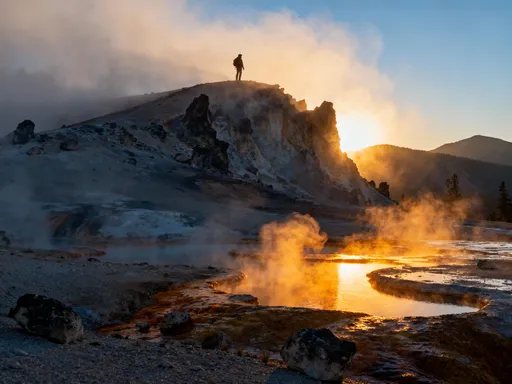
Rotorua is world-renowned for its dramatic geothermal displays—geysers that erupt skyward, vividly colored hot springs, and bubbling mud pools that gurgle like the earth’s own heartbeat. Places like Te Puia and Wai-O-Tapu Thermal Wonderland draw thousands each year, and for good reason. The raw power of nature on display is awe-inspiring, a testament to the volcanic forces simmering just below the surface. Yet, while these attractions offer a curated window into Rotorua’s geothermal wonders, they represent only one layer of the city’s identity. To truly understand this region, one must move beyond the postcard-perfect scenes and into the neighborhoods where everyday life unfolds amid steam and sulfur.
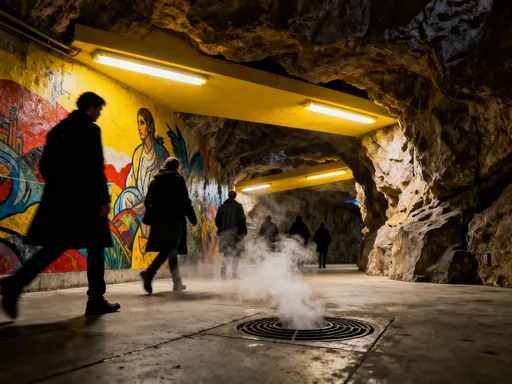
What you discover when you step away from the main tourist circuits is a different kind of energy—one quieter, more grounded, and deeply human. The crowds thin, the pace slows, and the air fills with the scent of eucalyptus mingling with the faint tang of geothermal gases. In districts like Ohinemutu and Koutu, the land doesn’t perform for visitors; it simply is. Steam rises from cracks in footpaths, warm water seeps into backyard pools, and families go about their days with an unspoken understanding of the forces beneath their feet. This is not a destination designed for spectacle, but a living community shaped by its environment over generations.
What makes these areas so compelling is their authenticity. There are no timed entry tickets, no guided tours with headsets, no souvenir stalls lining the streets. Instead, you find local markets, neighborhood laundries heated by geothermal steam, and children playing near naturally warm streams. The absence of commercialization allows for a more intimate connection—not just with the landscape, but with the people who call it home. Travelers who take the time to explore these quieter corners often leave with a deeper appreciation for how culture and nature intertwine in this part of New Zealand.
Exploring Ohinemutu: Where Culture Lives Daily
On the southeastern shore of Lake Rotorua lies Ohinemutu, a historic Māori village that offers one of the most profound cultural experiences in the region. Unlike reconstructed villages built for tourism, Ohinemutu is a living community where Ngāti Whakaue, a sub-tribe of the Te Arawa iwi, have resided for centuries. Here, tradition is not preserved behind glass—it is lived, spoken, and practiced daily. The village centers around a sacred marae, St. Faith’s Church, and a series of intricately carved meeting houses that stand as guardians of ancestral stories and spiritual identity.
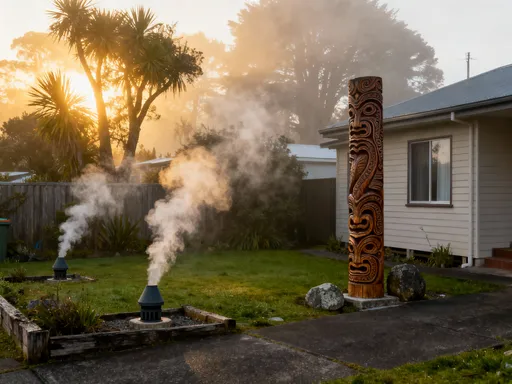
Walking through Ohinemutu, visitors immediately notice the subtle signs of geothermal activity woven into domestic life. Steam curls from cracks in driveways, warm vents heat outdoor cooking areas, and some homes use underground channels to pipe hot water directly into kitchens and bathrooms. This integration of natural resources into daily routines reflects a deep understanding of the land’s gifts and responsibilities. The air carries the faint smell of sulfur, not as an intrusion, but as a reminder of the living earth beneath. Early in the morning, the sound of karakia (prayers) or mōteatea (traditional chants) can sometimes be heard drifting from the marae, adding a spiritual resonance to the stillness of dawn.
Respect is paramount when visiting Ohinemutu. While tourists are welcome to walk through the village and admire the carvings and architecture, they are expected to do so quietly and without intrusion. The marae is a sacred space, and photography is often restricted, especially during ceremonies. Locals are generally warm and open to conversation, particularly if approached with humility and genuine interest. Many are happy to share stories about their ancestors, the significance of the carvings, or how geothermal energy has shaped their way of life. These interactions, brief as they may be, often leave a lasting impression—more so than any guided tour could provide.
The Quiet Heat of Koutu and Kuirau Park
Just a short walk from the central business district, the Koutu and Kuirau Park areas offer a striking contrast to Rotorua’s commercialized spas. Here, geothermal activity isn’t confined to fenced-off attractions—it spills into residential streets, public parks, and private gardens. Kuirau Park, in particular, is a beloved local retreat where families gather around steaming ponds, children peer into bubbling mud pools, and ducks paddle through warm, mineral-rich waters. Unlike the manicured paths of tourist geothermal parks, Kuirau feels organic, almost wild, with boardwalks winding through lush greenery and unexpected bursts of steam rising from the ground.
One of the park’s most unique features is the presence of private backyard hot pools. Many homes in the area have access to natural hot springs, and residents have built simple wooden enclosures where they soak in privacy. Some even share these spaces with neighbors or extended family, turning geothermal bathing into a communal ritual. The practice reflects a long-standing Māori tradition of using thermal waters for healing, relaxation, and social connection. In Koutu, similar scenes unfold—steaming vents line footpaths, and warm water flows through drainage channels, creating an atmosphere that feels both mystical and ordinary at once.
What makes these neighborhoods special is their blend of nature and nurture. Community gardens flourish in soil warmed by geothermal heat, allowing vegetables and herbs to grow year-round. Residents often share produce, reinforcing bonds of kinship and mutual care. The local council maintains clear signage and safety barriers around hazardous areas, ensuring that both visitors and residents can enjoy the benefits of the land without risk. For travelers, a walk through Kuirau Park or a quiet stroll through Koutu offers a rare opportunity to witness how geothermal energy supports not just tourism, but daily life in sustainable, meaningful ways.
Mokoia Island’s Offshore Mystique (Viewed from the Shores)
Rising from the center of Lake Rotorua, Mokoia Island holds a powerful place in Māori legend and spiritual life. According to Te Arawa tradition, the island is the resting place of Hinemoa and Tūtānekai, whose love story is one of the most cherished in New Zealand’s oral history. Because of its deep cultural significance, the island is protected as a sanctuary—access is restricted to preserve its ecological and spiritual integrity. Visitors cannot land without special permission, and commercial tours are limited. Yet, even from a distance, Mokoia exerts a magnetic presence, shaping the identity of the surrounding districts and inspiring reverence among locals.
From vantage points along the lakefront—particularly near Whakarewarewa and Ohinemutu—the island appears shrouded in mist, its forested slopes rising like a green fortress from the water. On calm mornings, the reflection of the island ripples across the lake’s surface, creating a dreamlike image that feels suspended in time. While travelers cannot set foot on Mokoia, they can still connect with its spirit through storytelling and guided viewpoints. Local guides often share excerpts of the Hinemoa and Tūtānekai legend, describing how Hinemoa swam across the lake guided only by the sound of Tūtānekai’s flute. These narratives bring the island to life, transforming it from a physical place into a symbol of courage, love, and resilience.
The reverence for Mokoia extends beyond myth. The island is home to rare native birds and protected plant species, and conservation efforts are led by the Te Arawa Lakes Trust in collaboration with the Department of Conservation. Educational panels around the lake explain these initiatives and emphasize the importance of kaitiakitanga—the Māori principle of guardianship and environmental stewardship. For visitors, the experience of viewing Mokoia becomes more than scenic; it becomes a lesson in respect. Understanding that some places are not meant to be conquered or commodified, but honored and protected, adds depth to the journey through Rotorua.
Whakarewarewa: More Than Just a Forest
Often associated with its towering redwood trees, Whakarewarewa is much more than a scenic forest—it is a living village where geothermal energy powers not just tourism, but daily survival. Known locally as “Whaka,” this area has been inhabited by the Tūhourangi Ngāti Wāhiao people for generations, and it remains one of the few places in New Zealand where residents still use natural hot springs for cooking, heating, and laundry. The sight of clotheslines strung above steaming vents, where laundry dries on the warmth of the earth, is both surreal and deeply practical.
One of the most remarkable traditions in Whakarewarewa is hāngī cooking—the method of preparing food in an earth oven using heated rocks and steam. Families dig pits into the ground, place wrapped food inside, and cover them with soil, allowing the geothermal heat to slow-cook meals for hours. The result is tender, smoky meat and vegetables infused with the essence of the land. While hāngī feasts are often presented for tourists, they remain a vital part of home life for many residents. Some elders recall growing up with no need for stoves or ovens—meals were simply prepared in the ground, a practice passed down through countless generations.
The village also functions as a cultural hub, where tourism and tradition coexist in careful balance. The Whakarewarewa Living Village offers guided tours that allow visitors to witness daily life, learn about Māori customs, and see geothermal features up close. But unlike staged performances, these experiences are rooted in reality. Guides are often descendants of the original inhabitants, sharing personal stories and ancestral knowledge. Homes are modest, built to withstand the shifting, steaming ground, and many still rely on natural heat for warmth during colder months. For travelers, a visit here is not just educational—it’s humbling, offering a glimpse into a way of life that honors both innovation and tradition.
Practical Tips for Respectful Exploration
Exploring Rotorua’s hidden districts is a privilege, and doing so with respect ensures that these communities remain welcoming to visitors. First and foremost, it’s essential to recognize that many areas, especially around marae and private homes, are not tourist attractions. Dress modestly when near sacred sites, speak quietly, and always ask before taking photographs. Signs are often posted to indicate restricted zones—these should be followed without exception, not only for safety but out of cultural respect.
When walking through neighborhoods like Ohinemutu or Koutu, stay on designated paths and avoid stepping on private property, even if steam is visible just beyond a fence. The ground can be unstable, and trespassing disrupts the privacy of residents who live with these natural phenomena every day. Instead, enjoy the views from public parks and footpaths, where the beauty of geothermal activity is still fully visible. Kuirau Park, in particular, offers safe, accessible boardwalks that wind through the most active zones without compromising the environment.
Transportation choices also matter. Walking or biking through these districts not only reduces your environmental footprint but allows for a more immersive experience. The slower pace lets you notice details—a steaming crack in the sidewalk, a garden thriving in warm soil, a resident hanging laundry over a vent—that might be missed from a car. Early mornings are ideal for exploration, when the streets are quiet, the air is crisp, and the community is just beginning its day. This is also the best time to visit local cafes or farmers’ markets, where you can enjoy fresh produce and start conversations with residents in a relaxed setting.
Finally, approach your visit with humility and curiosity. These neighborhoods are not museums or theme parks—they are homes. By listening more than speaking, observing with care, and showing genuine appreciation, travelers can build bridges of understanding that go far beyond a typical sightseeing experience.
Why These Districts Matter
The quiet corners of Rotorua are not just geographically off the beaten path—they are spiritually and culturally significant in ways that transcend tourism. These districts represent a rare continuity between past and present, where ancient traditions are not preserved in isolation but lived alongside modern life. They remind us that travel is not only about checking destinations off a list, but about deepening our connection to the world and the people who inhabit it. In Ohinemutu, Kuirau, Whakarewarewa, and beyond, the rhythm of life is set by the pulse of the earth and the wisdom of ancestors.
What makes these areas truly special is their ability to teach without lecturing. You learn about sustainability by seeing gardens grow in geothermally warmed soil. You understand resilience by watching families adapt to living on shifting, steaming ground. You feel the weight of history in the carvings of a meeting house and the quiet dignity of a marae at dawn. These lessons are not delivered through brochures or audio guides—they emerge naturally from observation and presence.
In an age of fast travel and curated experiences, Rotorua’s lesser-known districts invite us to slow down, to look closely, and to listen. They challenge the notion that the most valuable experiences are the most advertised. Instead, they suggest that the heart of a place is often found in its quietest moments—in the steam rising from a backyard, the murmur of a morning chant, the shared smile of a local who sees you not as a tourist, but as a guest.
For the thoughtful traveler, Rotorua offers more than geothermal wonders—it offers a philosophy. It teaches that land is not just a resource, but a relative. That culture is not a performance, but a practice. And that true discovery begins not with a map, but with respect. So when you plan your next journey to this remarkable region, go beyond the brochures. Step into the neighborhoods where life unfolds in rhythm with the earth. Let the warmth beneath your feet guide you not just to new places, but to a deeper understanding of what it means to belong.