Lost in the Soul of Lombok’s Most Jaw-Dropping Landmarks
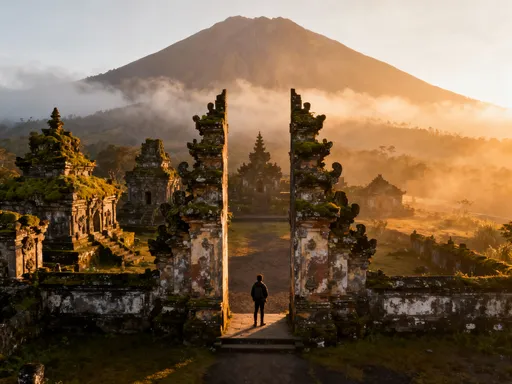
Have you ever stood beneath a structure and felt time slow down? That’s what happened when I first saw Lombok’s ancient temples and towering gates rise from the island’s golden light. Far beyond just postcard views, these landmark buildings tell stories of faith, resilience, and artistry. This isn’t just sightseeing — it’s stepping into the heart of Indonesia’s lesser-known gem. Unlike its more famous neighbor Bali, Lombok offers a quieter, more introspective journey, where architecture becomes a bridge between the earthly and the eternal. Here, every carved gate, every thatched roof, every moss-covered step speaks of a culture that honors balance — between tradition and change, between community and solitude.
The First Glimpse: Arrival in Lombok and the Unexpected Grandeur
Touching down at Lombok International Airport, visitors are often struck not by crowds or noise, but by a sense of calm that settles like a gentle breeze. The island unfolds slowly — wide open skies, fields of swaying rice, and the distant silhouette of Mount Rinjani watching over the land. Unlike Bali’s vibrant chaos, Lombok’s first impression is one of quiet dignity. This tranquility is mirrored in its architecture. Even before reaching major landmarks, travelers encounter small but meaningful structures: roadside shrines wrapped in white and yellow cloth, simple offerings placed at their bases; village meru towers with multi-tiered roofs that seem to float above the treetops. These early glimpses are not merely decorative — they are living elements of daily spiritual life.
What makes these initial views so powerful is their authenticity. There is no attempt to impress, only to honor. The meru towers, for instance, are dedicated to specific deities and used during ceremonies, their wooden frames weathered by sun and rain yet standing strong. The use of natural materials — alang-alang grass, bamboo, and timber — ties the structures to the land itself. As you drive through villages like Sembalun or Pujut, it becomes clear that Lombok’s architecture is not built for tourists. It exists because it must, because it belongs. This sense of organic presence sets the tone for the entire journey, preparing the visitor not for spectacle, but for connection.
Moreover, the island’s slower pace of development has preserved a visual harmony between buildings and environment. Unlike destinations where modern construction overwhelms tradition, Lombok’s landmarks rise gently from the landscape. They do not dominate; they participate. This balance invites a different kind of attention — one that listens rather than demands. For the thoughtful traveler, especially those seeking meaningful experiences beyond surface-level tourism, this first encounter is a promise: Lombok will not shout its beauty. It will whisper it, patiently, to those who are willing to listen.
Pura Lingsar: Where Two Faiths Share Sacred Ground
Among Lombok’s most profound landmarks, Pura Lingsar stands as a rare testament to peaceful coexistence. Located just outside Mataram, this sprawling temple complex is not solely a Hindu place of worship — it is shared by both Hindu and Sasak Muslim communities, a living example of interfaith harmony in a region where religious differences often divide. The site’s origins date back to the 18th century, when Balinese Hindu settlers and indigenous Sasak people found common ground in spiritual practice. Today, Pura Lingsar remains a place where rituals from both traditions are performed side by side, sometimes on the same day, in spaces designed to honor both.
The temple’s layout reflects this duality. One section features the classic Balinese-style meru towers with tiered roofs and intricate carvings, used by the Hindu community. Nearby, a separate area contains a sacred pond and open-air pavilions where the indigenous Sasak Wetu Telu Muslims conduct their prayers and ceremonies. The pond, known as Bale Kambang or “floating pavilion,” is central to many rituals, especially during the annual Perang Topat festival, when both communities gather to offer rice cakes into the water as a symbol of unity and gratitude. This shared celebration, recognized nationally, draws visitors not only for its cultural richness but for its powerful message of tolerance.
What makes Pura Lingsar truly remarkable is not just its physical structure, but the lived reality it represents. In a world where religious conflict often makes headlines, this temple quietly demonstrates that peaceful coexistence is not only possible but sustainable. Local guides often share stories of how families from both faiths have cared for the site for generations, passing down not only rituals but mutual respect. For visitors, especially women who value community and harmony, Pura Lingsar offers a deeply emotional experience — a reminder that spiritual spaces can be bridges, not boundaries. It challenges the notion that faith must be exclusive, showing instead how shared sacredness can strengthen social fabric.
Sasak Traditional Houses: Architecture Rooted in Ancestral Wisdom
Stepping into a Sasak traditional village like Sade or Rambitan is like entering a living museum of sustainable design. The houses, known as Rumah Adat, are built entirely from natural materials — thick thatched alang-alang roofs, woven bamboo walls, and raised wooden floors supported by sturdy poles. These are not replicas for tourists; many are still inhabited by Sasak families who maintain centuries-old customs. The architecture is both practical and symbolic, shaped by the island’s tropical climate, social values, and spiritual beliefs. Every element has purpose: the high roofs allow hot air to rise, keeping interiors cool; the elevated floors protect against flooding and pests; the orientation of doors and rooms follows ancestral guidelines to maintain balance and harmony.
The sensory experience is unforgettable. The scent of dried grass lingers in the air, mingling with woodsmoke from small cooking fires. Underfoot, the bamboo floorboards creak softly with each step, their tight weave a testament to skilled craftsmanship. The walls, made from split bamboo strips woven into panels, allow gentle breezes to pass through, creating a natural ventilation system long before modern air conditioning existed. Even the construction methods reflect communal values — homes are built by neighbors working together, a practice known as gotong royong, reinforcing the idea that shelter is not just physical but social.
More than mere dwellings, these houses are expressions of identity. The number of roof tiers indicates a family’s social standing, while carvings on doorframes often depict protective symbols or ancestral motifs. Women play a central role in maintaining these homes, overseeing everything from cleaning rituals to the replacement of roofing materials, which must be done every few years. Visiting these villages offers more than architectural insight — it provides a window into a way of life that values simplicity, sustainability, and intergenerational wisdom. For families traveling with children, the experience is especially meaningful, offering tangible lessons in respect for nature and tradition.
The Hidden Temple: Seeking Petilan and the Power of Seclusion
Nestled in the foothills of Mount Rinjani, the ancient temple of Petilan remains one of Lombok’s best-kept secrets. Unlike the more accessible Pura Lingsar or Narmada, Petilan sees few tourists, accessible only by a narrow path that winds through emerald rice terraces and small farming plots. The journey itself becomes part of the experience — a slow, meditative walk that strips away distractions and prepares the mind for reverence. As you approach, the first sign is not a grand gate, but a quiet clearing surrounded by moss-covered stones and centuries-old banyan trees whose roots twist like prayers into the earth.
Little is known about Petilan’s exact origins, but local tradition holds that it was used as a meditation site by Hindu sages long before the arrival of Balinese influence. The temple’s simplicity is its strength: a series of low stone platforms, weathered lingga-yoni symbols, and a central altar shaded by overhanging branches. There are no elaborate carvings, no bustling vendors, no entrance fees — only silence and the soft murmur of wind through the trees. This absence of commercialization enhances its spiritual aura, making it a powerful place for reflection, especially for those seeking a deeper connection with the island’s soul.
For many visitors, particularly women who value introspection and emotional grounding, Petilan offers a rare opportunity to experience sacred space without performance or expectation. You are not there to take photos or check a box on a tour itinerary — you are there to be present. Some sit quietly, closing their eyes to absorb the stillness; others leave simple offerings of flowers or rice, following local custom. The temple’s isolation protects its authenticity, ensuring that those who find it do so with intention. In a world where even the most remote places are often overrun, Petilan remains a sanctuary — not because it is hidden, but because it demands reverence.
Mandalika’s New Face: Modern Landmarks Meet Ancient Spirit
On Lombok’s southern coast, the Mandalika Special Economic Zone represents a new chapter in the island’s architectural story. Here, modern developments — luxury resorts, a world-class motor racing circuit, and wide promenades — rise alongside traditional Sasak villages and ancient coastal temples. This juxtaposition has sparked debate: can progress coexist with cultural preservation? The answer, still unfolding, lies in design choices that honor Lombok’s identity while embracing change. Unlike generic beachfront developments seen elsewhere in Southeast Asia, many new structures in Mandalika incorporate traditional motifs — sloping alang-alang roofs, open-air pavilions, and local stone finishes — creating a visual dialogue between old and new.
The Mandalika International Street Circuit, for example, was designed to minimize environmental impact, with natural contours preserved and native vegetation integrated into the landscape. Nearby resorts often employ local artisans to craft furniture, carvings, and textiles, ensuring that economic growth benefits the community directly. Some hotels even offer cultural programs where guests can learn traditional weaving or participate in village ceremonies, fostering deeper understanding. These efforts reflect a growing awareness that tourism development must be rooted in respect, not replacement.
Yet challenges remain. Increased traffic, rising land prices, and the risk of cultural commodification are real concerns. Some locals worry that the island’s soul may be diluted by rapid modernization. However, government regulations now require new buildings to follow architectural guidelines that preserve local aesthetics, such as height restrictions and the use of traditional materials. Community-led tourism initiatives, like guided village walks and handicraft cooperatives, also help ensure that development does not come at the cost of authenticity. For the mindful traveler, Mandalika offers a nuanced experience — a chance to witness transformation while supporting efforts that protect Lombok’s heritage.
Why These Buildings Matter: Beyond Bricks and Mortar
Lombok’s landmark structures are more than tourist attractions — they are vessels of memory, identity, and continuity. In a world of fleeting trends and disposable culture, these buildings stand as anchors, connecting past, present, and future. They preserve the stories of ancestors, the wisdom of elders, and the resilience of communities that have weathered change without losing their core values. When a temple is restored using traditional techniques, or a village home is rebuilt by neighbors using time-honored methods, it is not just architecture being renewed — it is culture being reaffirmed.
Restoration projects across Lombok increasingly involve local artisans, ensuring that knowledge is passed down to younger generations. In Sade Village, for example, elders teach youth how to weave bamboo walls and thatch roofs, skills that might otherwise disappear. At Pura Lingsar, joint Hindu-Muslim committees oversee maintenance, reinforcing the social bonds that the temple symbolizes. These efforts do more than preserve buildings — they strengthen community pride and ownership. For women, who often serve as cultural keepers in families, this continuity is especially meaningful. They see in these structures a legacy worth protecting, not just for themselves but for their children.
Moreover, landmark architecture educates visitors in ways that guidebooks cannot. Standing in a Rumah Adat, one learns about climate adaptation and social hierarchy. Walking through Pura Lingsar, one witnesses interfaith harmony in action. These experiences foster empathy and understanding, transforming tourism from passive observation into active appreciation. When travelers leave with more than photos — when they carry home a deeper respect for a way of life — the true purpose of these landmarks is fulfilled.
How to Experience Lombok’s Landmarks Respectfully and Meaningfully
To truly connect with Lombok’s architectural treasures, a shift in mindset is required — from checklist tourism to mindful exploration. Start by choosing the right time to visit. Early mornings offer not only cooler temperatures but quieter spaces, allowing for reflection at temples like Petilan or Pura Lingsar before any crowds arrive. Dress modestly, especially when entering sacred sites; carrying a sarong is essential, as many temples require visitors to cover their legs as a sign of respect. Women may appreciate knowing that local female guides are often available and can offer unique insights into family life, traditions, and the role of women in preserving culture.
Hiring a community-based guide not only supports the local economy but ensures a more authentic experience. These guides, often raised in the villages they show to visitors, share stories that no official brochure can capture. They explain the meaning behind carvings, the significance of rituals, and the daily rhythms of life. Supporting village tourism initiatives — such as paying entrance fees that go directly to community funds or purchasing handmade crafts — ensures that tourism benefits those who safeguard these traditions.
Equally important is the pace of travel. Rushing from site to site diminishes the depth of experience. Instead, allow time to sit, observe, and absorb. Spend an extra hour in Sade Village talking with a weaver, or linger after a temple visit to watch the sunset over Mount Rinjani. These moments of stillness often become the most memorable. Above all, approach each landmark with humility and curiosity. Ask permission before taking photos of people, avoid loud conversations in sacred spaces, and remember that you are a guest in a living culture. When tourism is guided by respect, it becomes a form of connection — not consumption.
Carrying the Silence Home
Lombok’s landmark buildings do not shout for attention. They do not need dazzling lights or massive crowds to prove their worth. Their power lies in their quiet presence — in the way a thatched roof curves like a prayer, in the way moss clings to ancient stones, in the way a shared temple pond reflects both sky and spirit. To walk through these spaces is to be reminded that beauty does not always roar. Sometimes, it whispers. And sometimes, that whisper stays with you long after you’ve left the island — in the way you pause before speaking, in the way you listen more deeply, in the way you honor the quiet truths in your own life. These landmarks are not just structures of wood and stone. They are keepers of silence, teachers of balance, and invitations to live with intention. May your journey to Lombok become not just a trip, but a return — to what matters, to what endures, to what the soul already knows.