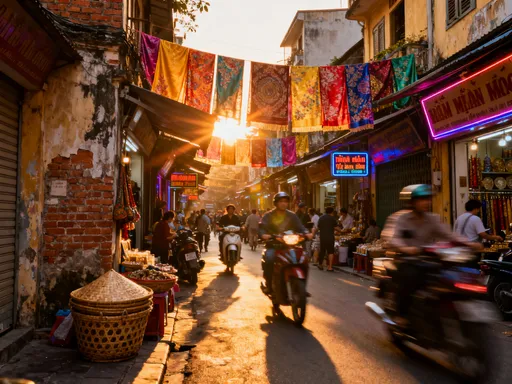
This Is Why Shopping in Valparaiso Feels Like Walking Through Art
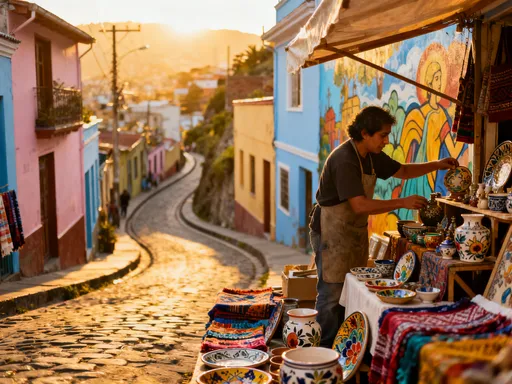
You know that feeling when a city just hits different? Valparaiso, Chile, is one of those places where every alleyway feels like a secret gallery. I went looking for souvenirs, but ended up discovering hand-painted ceramics, textile art, and vintage treasures—all nestled in pastel-colored houses clinging to hills. The architecture isn’t just backdrop; it’s part of the shopping experience. Staircases lead to hidden boutiques, murals frame market stalls, and every purchase feels personal. This is shopping with soul.
Arrival: First Impressions of Valparaiso’s Hillside Charm
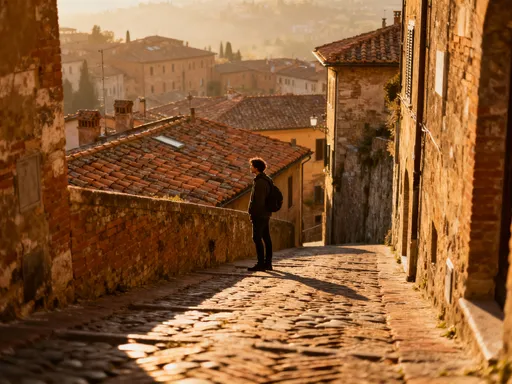
As you approach Valparaiso from the coastal highway, the city unfolds like a mosaic tumbling down from the sky. Houses painted in mustard yellow, seafoam green, and coral pink cling to steep hillsides, connected by narrow switchback roads and zigzagging staircases. The irregular skyline, uncontained by grid-like order, feels alive—constantly shifting as you move through its cerros, or hills. Unlike planned cities with wide boulevards and uniform facades, Valparaiso embraces asymmetry, improvisation, and color as guiding principles. This is not urban chaos but curated spontaneity, a living canvas where every structure tells a story.
The city’s architectural uniqueness has earned it a place on UNESCO’s World Heritage list, recognized for its historical significance and innovative urban development. Since the 19th century, Valparaiso has served as Chile’s primary port, drawing immigrants from Europe, Asia, and other parts of Latin America. These diverse communities brought their building techniques, decorative styles, and craftsmanship, layering cultural influences into the city’s physical fabric. Today, this heritage lives on not only in preserved buildings but in the way residents continue to express identity through paint, tile, and repurposed materials.
Shopping here transcends the typical retail transaction. It becomes an act of engagement—with history, with place, and with the people who shape it. When you buy a handwoven scarf from a woman in Cerro Alegre or a painted tile from an artist’s studio in Cerro Concepción, you are not simply acquiring an object. You are participating in a tradition of creativity born from resilience and resourcefulness. The city’s topography shapes the rhythm of discovery: each ascent offers a new vantage point, each turn reveals a hidden shop tucked behind a flowering vine or beneath a crumbling but elegant cornice.
What makes Valparaiso different from other artistic destinations is how seamlessly commerce and culture coexist. There are no sterile shopping malls or branded boutiques dominating the streets. Instead, commerce flows through open-air markets, converted homes, and family-run studios. Every purchase feels intentional, not incidental. Even the way goods are displayed—on wooden crates, hanging from wrought-iron balconies, or laid out on hand-stitched cloths—echoes the city’s aesthetic of humble beauty and adaptive reuse. In Valparaiso, shopping is not separate from sightseeing; it is an essential part of the experience.
The Pulse of Creativity: Artisan Markets as Cultural Hubs
At the heart of Valparaiso’s creative economy are its artisan markets, vibrant spaces where art, community, and commerce intersect. Among the most renowned is La Sebastiana, not to be confused with Pablo Neruda’s former home of the same name, but a bustling weekend market that draws both locals and visitors. Set within a restored warehouse near the port, it features dozens of stalls offering everything from hand-beaded jewelry to upcycled leather bags. But more than a place to shop, it functions as a cultural gathering point—a space where music drifts from corner speakers, children sketch on pavement with chalk, and neighbors catch up over cups of calafate tea.
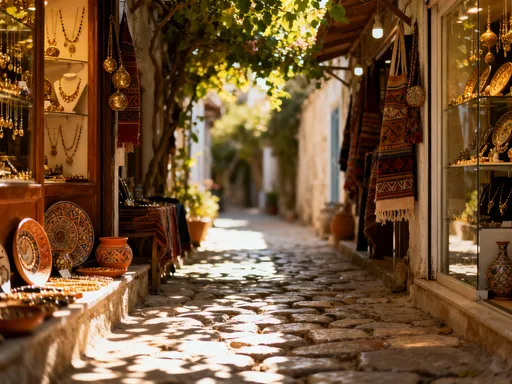
What sets these markets apart is the diversity and authenticity of the crafts on display. Artisans work with materials sourced locally or repurposed from everyday life. Recycled metal is transformed into delicate wind chimes and abstract sculptures. Wool from Andean alpacas is spun into scarves and mittens dyed with natural pigments like cochineal and indigo. Ceramicists shape clay into bowls, vases, and decorative tiles, often painting them with motifs inspired by maritime life, native flora, or indigenous patterns. These items are not produced for mass consumption but reflect the individuality and skill of their makers.
The layout of the markets mirrors the city’s organic structure. Rather than being arranged in straight rows, stalls follow the natural slope of the land, creating a multi-level experience where browsing involves climbing short staircases or ducking under draped fabric canopies. Murals painted directly onto the surrounding walls serve as ever-changing backdrops, with new artists contributing throughout the year. Some vendors set up shop inside repurposed shipping containers or former tram cars, reinforcing the city’s tradition of adaptive reuse. The absence of rigid organization enhances the sense of discovery—there is no prescribed path, no single entrance or exit. You wander, pause, engage, and often leave with something unexpected.
These markets also play a crucial role in sustaining local livelihoods. Many of the artisans are self-taught or learned their craft through family traditions. For some, selling at markets provides supplemental income; for others, it is their primary source of support. By choosing to buy directly from makers, visitors contribute to a more equitable economy, one that values human labor and creative expression over industrial production. This direct connection between buyer and creator fosters trust and transparency—something increasingly rare in today’s globalized retail landscape.
Architecture as a Shopping Guide: Navigating by Color, Texture, and Elevation
In Valparaiso, navigation is not solely about maps or street signs—it’s about reading the city through color, texture, and elevation. Each of the city’s 42 cerros has developed its own distinct character, shaped by historical settlement patterns, economic conditions, and community identity. Cerro Bellavista, for example, is known for its bohemian vibe and concentration of street art, while Cerro Concepción exudes colonial charm with its ornate ironwork and preserved 19th-century homes. These differences extend to the types of goods available, making each hill a unique shopping destination.
The city’s funicular elevators, or ascensores, play a vital role in connecting these elevated neighborhoods. Originally built in the late 1800s to help residents commute up the steep hills, these wooden cable cars now serve as both functional transport and cultural landmarks. Riding one feels like stepping into a living museum—the slow ascent offers panoramic views, the creak of aged machinery adds to the atmosphere, and the architecture along the tracks unfolds like a storybook. More importantly, they link shopping zones that would otherwise be physically taxing to reach on foot. Tourists and locals alike use them to move between artisan clusters, galleries, and small cafés that double as retail spaces.
Building facades themselves influence where and how shopping happens. Brightly painted walls attract foot traffic, often becoming informal backdrops for pop-up vendors. Courtyards hidden behind unassuming doors frequently house micro-galleries or workshops where artists sell directly from their studios. Some shop owners have turned entire homes into retail experiences, with each room dedicated to a different type of craft—textiles on the ground floor, prints upstairs, and ceramics displayed in the garden. This integration of domestic and commercial space blurs the line between private life and public exchange, creating an intimate shopping atmosphere.
Even the condition of the buildings contributes to the aesthetic of authenticity. Peeling paint, exposed brick, and weathered wood are not seen as flaws but as part of the city’s charm. Vendors often incorporate these elements into their displays—hanging jewelry from rusted railings, placing candles in broken window frames, or using salvaged doors as tabletops. This respect for imperfection reflects a broader cultural value: beauty found in resilience, creativity born from limitation. When you shop in Valparaiso, you are not just buying objects—you are engaging with an environment where every surface tells a story.
From Wall to Wallet: How Street Art Inspires Local Products
Street art is not merely decoration in Valparaiso—it is a language, a form of civic expression, and a major influence on local design. The city’s walls are covered in murals ranging from political statements to whimsical illustrations, many created during periods of social change. Over time, this visual culture has seeped into the commercial realm, inspiring a new generation of products that carry the spirit of the streets into everyday life. Tote bags feature reproductions of famous murals. Jewelry designers incorporate graffiti-style lettering into silver pendants. Printmakers create limited-edition posters based on iconic wall paintings, often with permission from the original artists.
This fusion of art and commerce raises important ethical questions. While some souvenirs are produced in collaboration with the artists, others are copied without consent, sold in tourist-heavy areas by vendors who profit without giving back to the creators. Visitors are encouraged to distinguish between authentic, artist-approved merchandise and mass-produced imitations. One way to do this is by purchasing directly from studios, galleries, or markets where artists are present. Many local cooperatives now offer certification labels or QR codes that link to information about the maker, ensuring transparency and fair compensation.
Temporary pop-up shops have also emerged as a way to bridge the gap between public art and retail. Housed in restored heritage buildings or vacant storefronts, these spaces host rotating exhibitions where visitors can buy art-inspired goods while learning about the murals that inspired them. Some pop-ups are organized in partnership with cultural foundations, using sales to fund mural restoration projects or youth art programs. This model transforms shopping into a form of cultural stewardship—each purchase helps preserve the very art that inspired it.
The influence of street art extends beyond visual design. It shapes the attitude behind the products—bold, expressive, unapologetically individual. When you wear a scarf printed with a fragment of a mural or carry a notebook covered in spray-paint textures, you are not just accessorizing. You are carrying a piece of Valparaiso’s identity. These items become conversation starters, invitations to share stories about the city’s creative spirit and the people who sustain it. In this way, souvenirs transcend their material form, becoming vessels of memory and meaning.
Hidden Courtyards and Secret Staircases: Off-the-Beaten-Path Shopping Spots
While the main markets and hilltop plazas attract the most visitors, some of Valparaiso’s most rewarding shopping experiences lie off the beaten path. Tucked within narrow passageways, behind ivy-covered gates, or up steep staircases with names like “Escalera Gato” or “Pasaje El Olivo,” independent designers and master craftsmen open their doors to curious travelers. These spaces are not advertised with neon signs or Google listings but discovered through word of mouth, local guidance, or the simple act of wandering with intention.
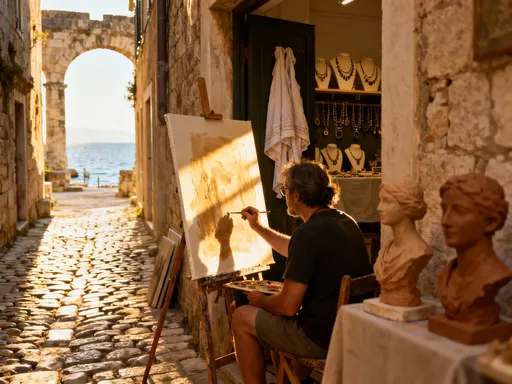
One might find a weaver working in a converted carriage house, her loom positioned beside a sunlit window, threads hanging like raindrops. Another might stumble upon a potter shaping clay in a garden studio, kiln smoke curling into the afternoon sky. These encounters feel less like transactions and more like invitations—into a process, a philosophy, a way of life. Many artisans welcome questions, happy to explain their techniques, inspirations, and the challenges of sustaining traditional crafts in a modern economy. Some offer short workshops, allowing visitors to try their hand at embroidery, printmaking, or ceramic painting.
Exploring these hidden spots requires preparation. Comfortable walking shoes are essential—the city’s terrain is unforgiving to unprepared feet. Carrying small bills in Chilean pesos ensures smooth exchanges, as many small vendors do not accept credit cards. It is also important to respect boundaries: some workshops are located within private homes, and entry should only be granted when explicitly invited. A simple “¿Puedo mirar?” (“Can I look?”) goes a long way in building rapport and showing cultural sensitivity.
These intimate shopping experiences offer something increasingly rare in the age of e-commerce and standardized design: authenticity. The items found here are not made to appeal to the lowest common denominator but reflect the maker’s personal vision. A hand-stitched textile might bear slight imperfections, but those irregularities speak to its handmade nature. A ceramic mug may vary in size or glaze, but that variation is part of its charm. In choosing such pieces, shoppers reject uniformity in favor of individuality, mass production in favor of meaning.
Beyond Souvenirs: What to Buy and Why It Matters
When shopping in Valparaiso, the most meaningful purchases are those that reflect the region’s cultural and environmental context. Alpaca wool items, for instance, are not only warm and durable but represent centuries of Andean textile tradition. These fibers are sustainably harvested, often by small farming communities in the highlands, and processed using low-impact methods. By buying a hand-knit alpaca scarf or hat, visitors support ethical labor practices and help preserve ancestral knowledge that might otherwise fade.
Hand-thrown pottery is another standout category. Local ceramicists use native clays and wood-fired kilns, creating pieces that carry the texture of the land itself. Bowls, plates, and vases often feature organic shapes and earth-toned glazes, echoing the colors of the Pacific coast and the Andes. Unlike factory-made tableware, each piece is unique—slightly uneven, marked by the fingerprints of the maker. These imperfections are not flaws but signatures, testaments to the human hand behind the object.
Original prints from local illustrators offer another way to bring Valparaiso home. Many artists create limited-run linocuts, screen prints, or watercolor reproductions that capture the city’s spirit—its staircases, its cats sunbathing on rooftops, its vibrant street life. Purchasing these works directly supports independent creators and helps sustain a thriving artistic community. Some artists even offer personalized inscriptions or small sketches on the back, turning the print into a one-of-a-kind keepsake.
In contrast, the trinkets sold near major viewpoints—plastic keychains, generic T-shirts, mass-produced magnets—offer little connection to the city’s true essence. While convenient, they contribute to environmental waste and economic leakage, with profits often going to large distributors rather than local makers. Choosing authentic, locally made goods ensures that tourism dollars circulate within the community, funding everything from art supplies to home repairs. It transforms shopping from a passive act into a form of quiet activism—one that honors craftsmanship, sustainability, and cultural integrity.
Planning Your Visit: Timing, Transport, and Responsible Shopping
For the best shopping experience, timing and preparation are key. Weekday mornings are ideal—markets are less crowded, artisans are more available for conversation, and the light is perfect for photographing murals and merchandise. Weekends draw larger crowds, especially during festivals or cultural events, which can make navigation more challenging but also more lively. Spring and early summer (September to December) offer mild weather and blooming jacaranda trees, enhancing the city’s already vivid palette.
Getting around is easiest on foot or by using the city’s historic ascensores. Public buses connect major hills and the port area, while guided walking tours often include stops at lesser-known studios and markets. These tours, led by local residents, provide context and access that might otherwise be difficult to find. Some even focus specifically on creative entrepreneurship, highlighting how artisans adapt to economic challenges while preserving cultural heritage.
Combining shopping with cultural visits enriches the experience. A trip to La Sebastiana, the former home of poet Pablo Neruda, offers not only architectural beauty and ocean views but also insight into the city’s artistic legacy. The house, filled with curiosities collected during Neruda’s travels, reflects the same spirit of eclectic creativity seen in today’s markets. Nearby, the Museo a Cielo Abierto (Open Sky Museum) showcases large-scale murals created during a community art project in the 1960s, many of which continue to inspire contemporary designers.
Ultimately, shopping in Valparaiso is about more than acquiring objects. It is about connection—to people, to place, to process. Each item purchased carries with it the imprint of the city’s hills, its colors, its history, and its hands. To shop here is to participate in a living tradition, one that values creativity over convenience, soul over speed. As global retail becomes increasingly homogenized, Valparaiso stands as a reminder that commerce can be humane, meaningful, and beautiful. When you leave with a hand-painted tile or a woolen shawl, you are not just taking home a souvenir. You are carrying a story—one shaped by walls, by stairs, by the quiet persistence of human hands making art out of everyday life.