You Won’t Believe These Hidden Gems in Salalah
Salalah, Oman, is a dream destination waiting to be discovered. Between the misty mountains and golden dunes, I stumbled upon local treasures that left me speechless. From frankincense markets to handwoven textiles, every find felt authentic and deeply rooted in tradition. If you're chasing Instagram-worthy moments that go beyond the surface, Salalah delivers—quietly, beautifully, and unexpectedly.
Why Salalah Should Be on Every Traveler’s Radar
Salalah stands apart as one of the most unique travel destinations on the Arabian Peninsula, offering a rare blend of natural beauty, cultural richness, and seasonal transformation. Unlike the arid landscapes commonly associated with the Gulf region, Salalah undergoes a breathtaking change each year during the Khareef season, typically from June to September. During this time, monsoon-like mists roll in from the Indian Ocean, cloaking the Dhofar Mountains in a lush green mantle and turning dry riverbeds into flowing streams. This seasonal miracle transforms the city into a verdant escape, drawing visitors seeking cooler temperatures and a refreshing contrast to desert climates.
What makes Salalah especially appealing is its authenticity. While tourism has grown, the city has preserved its cultural identity, with traditional Omani architecture, quiet souqs, and a pace of life that invites mindfulness. The local population remains deeply connected to age-old customs, from frankincense harvesting to textile weaving. For travelers who value meaningful experiences over crowded attractions, Salalah offers a rare opportunity to engage with heritage in a genuine way. It's not about flashy resorts or commercialized tours—it's about connection, discovery, and the quiet joy of stumbling upon something real.
Additionally, Salalah’s location on the southern coast of Oman makes it accessible yet secluded. Direct flights from major Gulf hubs make it convenient for international travelers, while its distance from the more developed northern cities ensures a sense of remoteness. Whether you're drawn by nature, history, or culture, Salalah provides a well-rounded experience that appeals to thoughtful explorers. It's a destination that doesn't shout for attention but rewards those who take the time to look closely.
The Magic of Khareef: Nature’s Instagram Moment
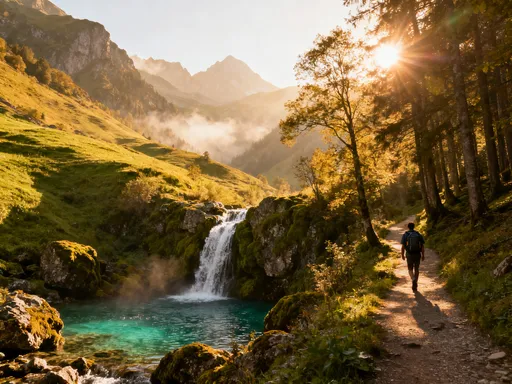
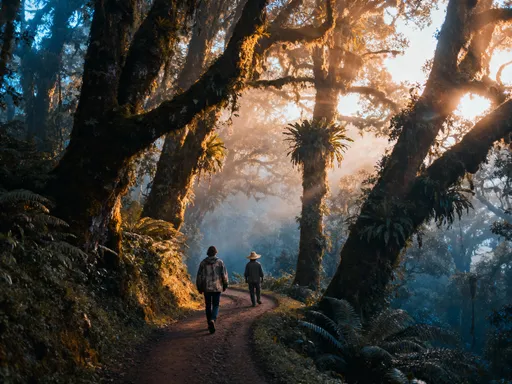
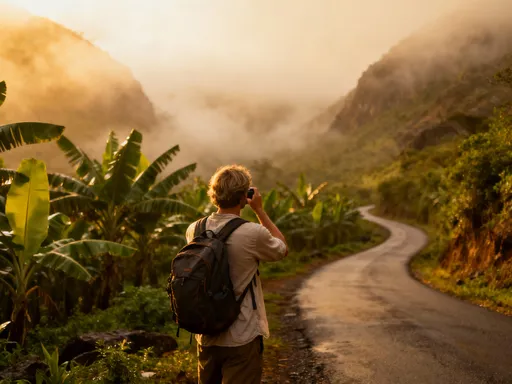
The Khareef season is the heartbeat of Salalah’s allure, transforming the region into a green paradise unlike any other in the Middle East. As the coastal fog creeps inland, it blankets the highlands in a soft, silvery mist, creating an almost mystical atmosphere. One of the most iconic vantage points is Jabal Qara, a limestone mountain range where winding roads lead to panoramic views of valleys draped in fog. On clear mornings, the sun breaks through, illuminating banana groves, pomegranate orchards, and cascading waterfalls hidden within the folds of the landscape.
Ayn Razat is one such gem—a natural spring and waterfall tucked into a shaded wadi where families gather for picnics under leafy canopies. Children splash in shallow pools while elders sip tea on woven mats, their laughter blending with the sound of flowing water. The scene is both serene and vibrant, a perfect example of how nature and daily life coexist in harmony. Nearby, Ayn Athum offers another tranquil retreat, with terraced pools fed by underground springs and surrounded by dense vegetation. These spots are not just scenic—they tell a story of resilience, where water, even in small amounts, brings life to an otherwise arid region.
For photographers and nature lovers, Khareef offers endless opportunities. The interplay of light and mist creates dreamlike visuals, especially at dawn and dusk. Dew clings to spiderwebs strung between trees, and rain-kissed leaves glisten under overcast skies. Even the roadside reveals beauty—fields of wildflowers, grazing goats, and the occasional farmer tending to date palms. The season reminds visitors that transformation is possible, and that beauty often emerges in the most unexpected places. Capturing these moments isn’t just about taking pictures; it’s about preserving a feeling of wonder.
Frankincense Trail: Walking Through Living History
Salalah is the historic heart of the frankincense trade, a legacy so significant that UNESCO has recognized the Land of Frankincense as a World Heritage Site. The ancient trail once connected the interior resin groves to coastal ports, where ships carried the precious commodity to Egypt, Rome, and beyond. Today, travelers can walk parts of this route and witness the same Boswellia sacra trees that have been tapped for over 5,000 years. Wadi Dawkah, a protected site on the outskirts of the city, is one of the best places to see these gnarled, silver-barked trees growing in rocky soil, their trunks marked with scars from centuries of harvesting.
The process of collecting frankincense remains largely unchanged. Local harvesters make small incisions in the tree bark during the dry season, allowing the sap to ooze out and harden into tear-shaped droplets. These are collected by hand and sorted by quality. The highest grades are translucent and pale, prized for their pure, citrusy aroma. Visitors to Al Baleed Archaeological Park can see reconstructed temples and merchant homes that illustrate how central frankincense was to the region’s economy and spiritual life. The site includes a museum that displays ancient incense burners, trade maps, and artifacts from shipwrecks that carried resin across the seas.
Owning a piece of raw frankincense or a bottle of locally distilled oil is more than a souvenir—it’s a tangible connection to history. Many travelers use the resin in home rituals, burning a few tears on charcoal to release a calming, meditative scent. Others appreciate it as a natural air purifier or a gift with deep cultural meaning. By purchasing directly from local cooperatives or licensed vendors, visitors support sustainable practices and help preserve a tradition that defines Salalah’s identity. The frankincense trail is not just a path through the desert; it’s a journey through time.
Local Markets That Tell a Story
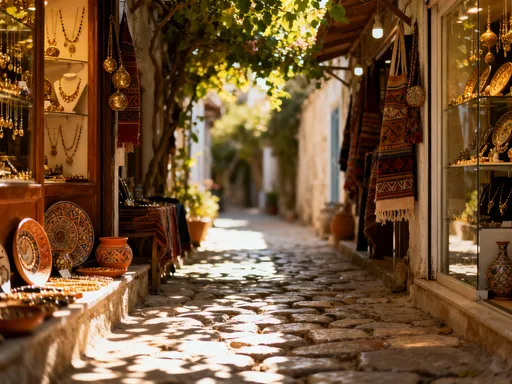
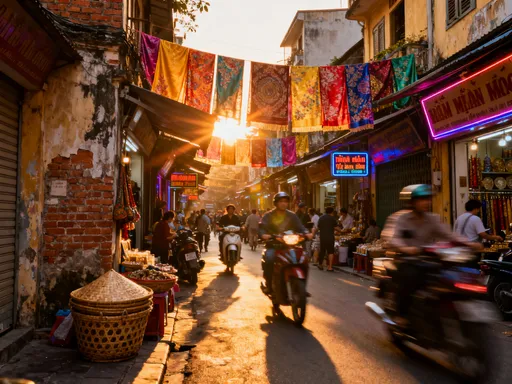
The soul of Salalah lives in its markets, where scent, color, and conversation come together in a sensory celebration. The Central Souq is the heart of this experience—a covered labyrinth of stalls selling everything from spices to textiles. As you step inside, the air thickens with the warm, balsamic fragrance of burning frankincense, mingling with the sweetness of dried roses and the earthiness of Omani honey. Vendors sit behind mounds of golden resin, hand-dipping cones into wooden molds, their movements rhythmic and precise. Nearby, baskets overflow with saffron, cardamom, and dried limes, each spice telling a story of trade and tradition.
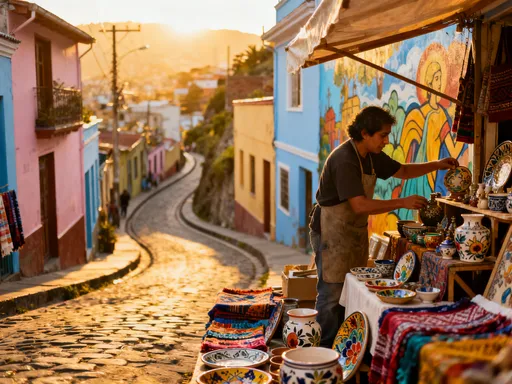
But the real magic often lies beyond the main market. Along the roadside, small family-run stalls appear during Khareef, offering fresh produce, handmade crafts, and local specialties. One might find a woman selling jars of wildflower honey harvested from desert bees, its flavor rich and floral. Another might offer spiced gahwa—a traditional Omani coffee blend infused with cardamom, saffron, and cinnamon—packaged in hand-labeled bottles. These informal markets feel personal, unscripted, and deeply authentic. They’re not designed for tourists but thrive because of genuine hospitality.
Photographers will find endless inspiration here—the play of light through fabric canopies, the texture of woven baskets, the vibrant hues of spice piles arranged like natural art. But beyond the visuals, it’s the human element that leaves a lasting impression. A vendor might invite you to taste tea, share a proverb, or explain how his grandfather taught him to blend incense. These interactions transform shopping into storytelling, reminding us that every object has a maker, a history, and a purpose. To walk through Salalah’s markets is to engage with a culture that values generosity, craftsmanship, and connection.
Craftsmanship Beyond the Camera Frame
While photographs capture the beauty of Salalah’s crafts, the true depth lies in understanding the hands that create them. In rural villages like Taqah and Mirbat, Omani women continue age-old traditions of weaving and embroidery, often working on looms passed down through generations. The *mashrabiya* textile, named after the intricate wooden lattice screens found in traditional homes, features geometric patterns woven in deep reds, indigos, and golds. Each design carries symbolic meaning—protection, prosperity, or familial unity—encoded in threads that take weeks to complete.
Another hallmark of Omani craftsmanship is *khanjar* embroidery, named after the curved dagger that is a national symbol. This detailed needlework appears on men’s vests, belts, and ceremonial caps, using metallic threads to create swirling motifs inspired by nature and heritage. The skill required is immense, with artisans spending months on a single piece. These textiles are not mass-produced; they are made with intention, often for weddings, religious events, or family milestones. When travelers purchase such items, they’re not just buying decor—they’re supporting cultural preservation.
Several cooperatives and women’s centers in Salalah now offer ethical shopping opportunities, ensuring fair wages and authentic production. The Dhofar Women’s Handicrafts Centre, for example, trains local artisans and provides a platform to sell their work. Visitors can tour the facility, meet the weavers, and even try a short weaving session. This direct connection fosters respect and appreciation, moving beyond souvenir shopping into meaningful exchange. By choosing handmade over imported, travelers help sustain traditions that might otherwise fade in a globalized world.
Where to Find the Most Photogenic Local Products
For those seeking authentic, visually striking souvenirs, knowing where to look makes all the difference. The Museum of the Frankincense Land is an excellent starting point, combining education with curated retail. Its gift shop offers high-quality frankincense in various grades, along with books, maps, and artisan-made jewelry inspired by ancient designs. Because the museum is government-supported, the products are verified for authenticity, and proceeds support conservation efforts.
Another reliable destination is the Salalah Cultural Oasis, a modern complex that hosts exhibitions, craft workshops, and a permanent market space. Here, visitors can find everything from hand-thrown pottery to palm-frond baskets and natural skincare products made with frankincense oil. The layout is clean and inviting, with ample lighting for photography, and staff are knowledgeable about the origins of each item. Unlike crowded tourist stalls, this space prioritizes quality and cultural accuracy.
For a more immersive experience, early morning visits to the Central Souq offer the best light and fewer crowds. Focus on the older vendors—those with weathered hands and quiet confidence—who are more likely to sell genuine, locally made goods. Avoid pre-packaged sets sold near hotels or gas stations, which are often imported from abroad. Instead, seek out small stalls with handwritten signs or family names displayed. Ask questions: Where was this made? Who made it? How long did it take? These conversations not only yield better purchases but also deepen the travel experience. Remember, the most photogenic items are often the ones with the richest stories behind them.
Bringing Salalah Home: Styling Tips for Your Finds
The true value of a Salalah souvenir isn’t in its price tag but in how it’s used. A piece of raw frankincense can become part of a daily ritual—burned in a censer to create a calming atmosphere in the evening. Place it on a heat-safe dish with a charcoal tablet, light it gently, and let the fragrant smoke curl through your living space. Over time, this simple act can evoke memories of misty mountains and quiet markets, turning a sensory experience into a personal tradition.
Handwoven textiles can be framed as art or used as decorative throws. A *mashrabiya* fabric, with its intricate patterns, makes a striking wall hanging in a bedroom or study. Alternatively, drape a embroidered *khanjar* belt over a bookshelf or use it as a table runner during special meals. These pieces add warmth and cultural depth to any home, serving as conversation starters and reminders of a journey well taken. Even small items, like a jar of spiced gahwa, can be shared with friends—brewed slowly and served in small cups, just as it is in Omani homes.
The goal is not to fill shelves with trinkets but to integrate meaningful pieces into everyday life. By doing so, travelers extend the impact of their journey beyond the trip itself. Each use of a souvenir becomes a quiet act of respect—for the artisans, the culture, and the beauty of a place that reveals itself slowly. In a world of fast consumption, choosing to travel mindfully and bring home authentic treasures is a powerful statement. It says that we value depth over speed, connection over convenience, and stories over souvenirs.
Salalah isn’t just a place you visit—it’s a feeling you carry. Its specialty products aren’t just souvenirs; they’re stories, scents, and textures of a resilient culture. When you travel with curiosity and respect, every photo tells a deeper truth.