You Won’t Believe What I Found in Yellowstone’s Wild—Art Where I Least Expected
You know that feeling when nature hits you like a masterpiece? In Yellowstone, it’s not just geysers and bison—there’s a quiet kind of art everywhere. From Indigenous stories carved into the land to modern murals in gateway towns, I never expected culture to bloom in such wildness. This is more than a national park; it’s a living gallery shaped by time, fire, and human hands. Let me take you where few travelers look—but should.
First Glimpse: When Nature Becomes the Canvas
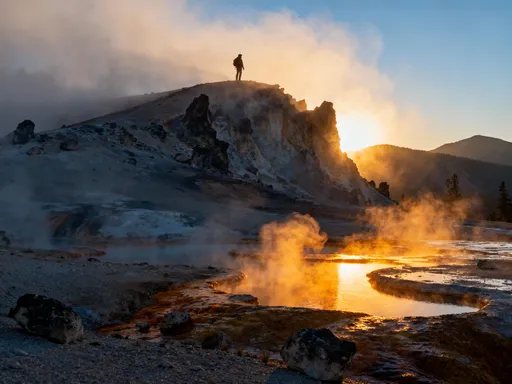
Arriving at Yellowstone for the first time, one does not simply enter a park—they step into a grand theater of natural performance. The land breathes, steams, and pulses with a rhythm that feels almost intentional, as if the Earth itself is an artist at work. At Old Faithful, the geyser’s eruption is not just a geological phenomenon but a daily spectacle, timed with near-perfect precision. The plume of water rises like a curtain call, drawing gasps and quiet reverence from onlookers. This is nature not in chaos, but in composition—a choreographed display of power and grace that feels more like performance art than science.
The colors of the Grand Prismatic Spring are equally astonishing, stretching across the earth in swirling bands of sapphire, emerald, and molten gold. These hues are born of microbial mats thriving in extreme heat, yet they resemble an abstract painting left to dry in the sun. There is no brushstroke, no palette knife, and yet the result is unmistakably artistic. Even the bubbling mud pots of the Fountain Paint Pots gurgle and pop like a living canvas, their grayish muck belching steam in unpredictable bursts. The scent of sulfur lingers in the air, sharp and earthy, grounding the experience in physical reality while the eyes insist on seeing something transcendent.
Why does this matter to the traveler? Because when we begin to see nature as art, our relationship to it shifts. We move from passive observers to engaged witnesses. We stop merely taking photographs and start seeking meaning. The geysers are no longer just curiosities; they become expressions of deep time and planetary energy. The hot springs are not just pools of hot water but living testaments to resilience and adaptation. This reframing enriches the journey, turning a sightseeing trip into a contemplative pilgrimage. And in a world where so much beauty feels manufactured, Yellowstone reminds us that the most profound art is often unplanned, unedited, and utterly alive.
The Original Keepers: Indigenous Culture in the Landscape
Beneath the modern trails and visitor centers of Yellowstone lies a deeper history—one written not in brochures but in footsteps, stories, and sacred places. Long before the park was established in 1872, the lands now protected within its boundaries were home to Native peoples, including the Shoshone, Bannock, Crow, Blackfeet, and others. These communities did not merely pass through; they lived in relationship with the land, hunting, gathering, and traveling its valleys and ridgelines for thousands of years. Their presence is not a relic of the past but a living thread woven into the park’s identity.
Place names across the region still echo with Indigenous origins. The word “Yellowstone” itself was derived from the Minnetaree term *Mi tse a-da-zi*, meaning “Rock Yellow River,” later translated by French trappers as *Roche Jaune* and eventually anglicized. But beyond names, the cultural imprints are more subtle—rock art fragments, ancient campsite remains, and oral histories that speak of creation, transformation, and spiritual connection to geothermal features. For some tribes, the steaming vents and bubbling springs were seen as places where the Earth spoke, where ancestors lingered, or where powerful spirits resided.
Today, park visitors can engage with this heritage through interpretive programs, museum exhibits, and collaborations with tribal nations. At the visitor center in Mammoth Hot Springs, for example, displays honor the historical presence of Indigenous peoples with dignity and accuracy, avoiding the romanticized tropes that have long plagued representations of Native cultures. Rangers often share stories passed down through tribal partnerships, emphasizing respect and continuity rather than nostalgia. These efforts are not about adding a cultural footnote to the natural wonders—they are about restoring balance, acknowledging that the park’s story began long before the first park ranger badge was issued.
For the modern traveler, recognizing this deep human history transforms the experience. It is no longer just about marveling at geysers but understanding that people have been marveling here for millennia. It invites a more thoughtful way of moving through the landscape—one that listens as much as it looks. When we honor the original keepers of this land, we do not diminish the grandeur of nature; we deepen it, realizing that human connection to place is itself a form of art, refined over generations.
Art on the Edge: Creativity in Gateway Towns
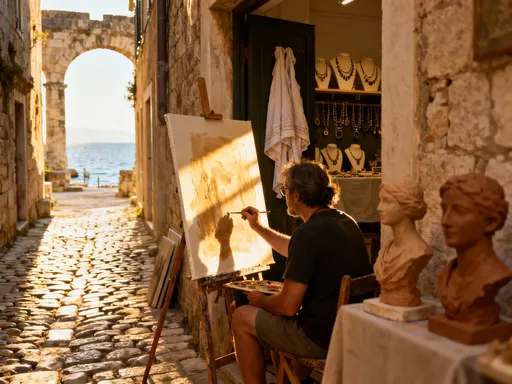
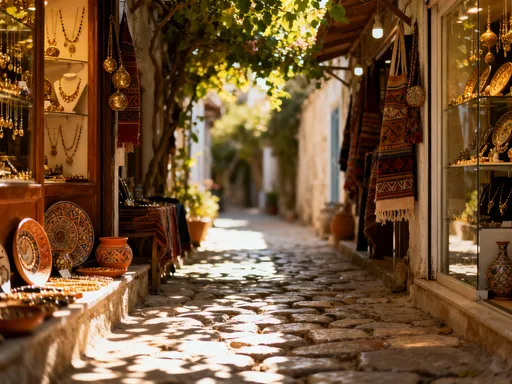
Just beyond the park’s borders, in towns like West Yellowstone, Montana, and Gardiner, Montana, a different kind of creativity thrives—one born of proximity to wilderness and sustained by the rhythm of the seasons. These gateway communities are more than supply stops; they are cultural outposts where local artists channel the spirit of Yellowstone into tangible forms. Galleries line the main streets, their windows filled with landscape paintings, wildlife sculptures, and handcrafted jewelry that capture the park’s essence in color, clay, and metal.
One might find a delicate beadwork necklace inspired by bison migration patterns, or a ceramic bowl glazed in the fiery reds and deep blues of the Grand Canyon of the Yellowstone. Local potters often use natural pigments and textures that mirror the park’s geology, while painters work en plein air to capture the shifting light on mountain ridges. In summer, craft fairs bring together artisans from across the region, offering everything from woven dreamcatchers to hand-carved walking sticks. These are not mass-produced souvenirs but authentic expressions of place, made by people who live with the park as a daily neighbor.
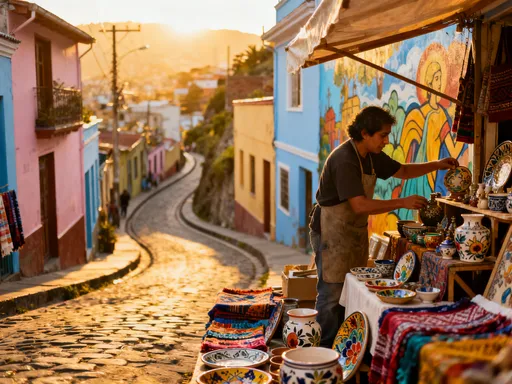
Street art, too, plays a quiet but powerful role. Murals on the sides of diners and visitor centers depict elk in snow-covered meadows, thermal features glowing at dusk, or Indigenous symbols honoring the land’s first stewards. These public works do more than beautify—they educate and inspire. A mural in Gardiner, painted in collaboration with local tribal members, shows a procession of ancestral figures moving across the landscape, their footprints fading into the present. It is a visual reminder that history is not behind us but beneath us.
For visitors, supporting these artists is one of the most meaningful ways to engage with the region’s culture. Purchasing a piece from a Native-owned shop or attending a live demonstration at a community center does more than fund local economies—it sustains traditions. It says, “I see you. I value what you create.” And in doing so, travelers become part of a living cultural exchange, one that honors both the past and the present of this extraordinary region.
Park as Muse: The Influence of Yellowstone on American Art
Yellowstone has long been more than a destination—it has been a muse. From the moment it was designated the world’s first national park, it captured the imagination of artists who saw in its wildness a new kind of American identity. In the late 19th century, painter Thomas Moran traveled with the Hayden Geological Survey, sketching the Grand Canyon of the Yellowstone and its thundering falls. His dramatic, romanticized canvases—rendered in sweeping vistas and luminous light—helped convince Congress to protect the area. Moran’s work was not just art; it was advocacy, a visual argument for preservation.
Photographers followed, from William Henry Jackson’s black-and-white panoramas to modern conservation photographers whose images grace the pages of National Geographic. Their lenses have framed the park as both sanctuary and symbol—a place where nature’s power and beauty could still flourish in an age of industrial expansion. These images did not merely document; they shaped public perception, turning Yellowstone into an icon of wilderness worth defending.
Literature, too, has drawn from the park’s depths. Writers like Annie Proulx and Rick Bass have set stories in and around Yellowstone, weaving its landscapes into narratives of human longing, resilience, and connection. Documentaries and films have continued this tradition, using sweeping aerial shots and intimate close-ups to convey the park’s emotional resonance. The 2015 PBS series *The National Parks: America’s Best Idea* dedicated significant time to Yellowstone, exploring how art and advocacy intertwined in its creation and protection.
What makes this artistic legacy so enduring is its dual role: inspiration and responsibility. Artists do not just reflect Yellowstone—they help protect it. Every painting, photograph, or poem that captures its essence contributes to a collective memory, reminding us why such places matter. And for the traveler, understanding this legacy adds depth to the journey. To stand where Moran stood, to gaze at the same canyon that moved him to paint, is to participate in a centuries-long conversation between humans and nature—one conducted in color, light, and word.
Where Culture Meets Conservation
In Yellowstone, art and environmental stewardship are not separate paths—they are intertwined. Park rangers, often seen as scientists or guides, are also storytellers, educators, and sometimes even performers. Through creative programming, they bridge the gap between ecological knowledge and emotional connection. At dusk, families gather at amphitheaters for “Evening Ranger Talks,” where a ranger might blend fire ecology with Navajo flute music, explaining how controlled burns renew the forest while the haunting melody carries the weight of ancestral wisdom.
Other programs invite visitors to sketch by the Lamar River, encouraging them to observe details they might otherwise miss—the curve of a willow branch, the ripple pattern of a trout’s wake. These moments of quiet creation foster mindfulness and deepen appreciation. A child drawing a bison may later remember not just its size but its presence—the way it stood, the sound of its breath, the dust rising from its coat. That memory becomes a seed of care, growing into a lifelong respect for wildlife.
Collaborations with Indigenous artists and cultural leaders further enrich these efforts. In recent years, the park has hosted storytelling nights featuring members of the Shoshone and Crow nations, sharing legends that explain the origins of geysers or the behavior of wolves. These events do not treat culture as a sidebar to nature—they show how the two are inseparable. The land is not just a resource to be studied; it is a relative to be honored.
Such programs remind us that conservation is not only about data and policy but about feeling. Art—whether music, drawing, or oral tradition—awakens that feeling. It helps us fall in love with a place, and love, more than any regulation, motivates protection. When visitors leave Yellowstone having sung a song, drawn a sketch, or heard an elder’s story, they carry more than souvenirs. They carry a sense of belonging, a quiet promise to protect what moved them.
Hidden Expressions: Off-the-Beaten-Path Cultural Encounters
Most visitors follow the main loops—Old Faithful, Yellowstone Lake, the Grand Canyon—and miss the quieter cultural moments that unfold just beyond the crowds. Yet for those willing to look deeper, Yellowstone offers subtle but powerful encounters. In late summer, the Hebgen Lake area hosts a small craft fair where Northern Plains artists sell beadwork, quillwork, and hand-stitched regalia. These events are not widely advertised, but word spreads among locals and returning visitors who value authenticity over convenience.
During the shoulder seasons—late spring and early fall—tribal cultural days occasionally take place near the park’s northern entrance, in collaboration with regional Indigenous organizations. These gatherings may include traditional dancing, drumming circles, and storytelling sessions open to the public. Attendance is respectful and low-key, with emphasis on education rather than performance. Visitors are encouraged to listen, learn, and ask questions—always with humility.
Another hidden gem is the Artist-in-Residence program hosted at select visitor centers. Each summer, painters, writers, and musicians spend weeks in the park, creating work inspired by their immersion in the landscape. Their final pieces are displayed in small galleries or shared in public readings and concerts. These programs are not just about producing art; they are about modeling deep observation. An artist sketching thermal features for hours learns patience, noticing changes in steam patterns or microbial colors that a passing tourist would never see.
For travelers seeking these experiences, a few simple steps make all the difference. Check the park’s official calendar before arrival. Talk to rangers at information desks—they often know about upcoming events not listed online. Visit local libraries or community centers in gateway towns, where flyers and bulletin boards list seasonal happenings. And above all, travel with curiosity, not just an itinerary. The most meaningful moments in Yellowstone are rarely found on maps—they are discovered in conversation, in stillness, in the willingness to slow down and see with new eyes.
Carrying the Art Forward: How Travelers Can Engage Respectfully
The art of Yellowstone does not end when the journey does. It lives on in how we remember, share, and protect what we’ve experienced. Every traveler has the opportunity—not just to witness this living gallery but to honor it. One of the most direct ways is through ethical support of local and Indigenous artists. When purchasing crafts, seek out vendors who are transparent about their origins and cultural affiliations. Look for labels indicating Native-made or locally sourced. Avoid mass-produced items shipped from overseas, no matter how convenient or cheap they may seem. Every dollar spent thoughtfully reinforces authenticity and sustainability.
Equally important is participation in educational offerings. Attend a ranger talk. Join a guided walk focused on cultural history. Read the interpretive signs at archaeological sites, and take a moment to reflect on the lives that shaped this land long before it became a park. These acts of attention are forms of respect. They say, “I am not just passing through. I want to understand.”
And perhaps most crucially, practice Leave No Trace principles with intention. Art cannot thrive in a damaged landscape. When we stay on trails, pack out trash, and keep a respectful distance from wildlife, we protect the very canvas that inspires awe. We ensure that future generations will also stand before the Grand Prismatic Spring and feel that rush of wonder—the same feeling that moves an artist to pick up a brush or a poet to reach for a pen.
In the end, the art of Yellowstone is not something to be consumed but to be carried forward. It is in the way we speak of the park, the photos we share, the values we pass on. It is in the quiet decision to listen more than we speak, to protect more than we take. To visit Yellowstone is to witness beauty. To honor its art is to become part of its story—a story written in steam, stone, color, and care.