Just Checked In — Ghent’s Food Scene Blew My Mind
I just landed in Ghent, and wow — this city hits different. Cobblestone streets, canals that look like postcards, and the smell of something delicious around every corner. Forget fancy Michelin spots; I’m talking real, soul-warming Belgian comfort food made the way it’s been for generations. From crispy fries drenched in bold sauces to rich stews that taste like home, Ghent’s local cuisine is an underrated adventure. Let me take you through where to eat, what to try, and why this city should be your next foodie escape.
First Impressions: Stepping Into a Living Postcard
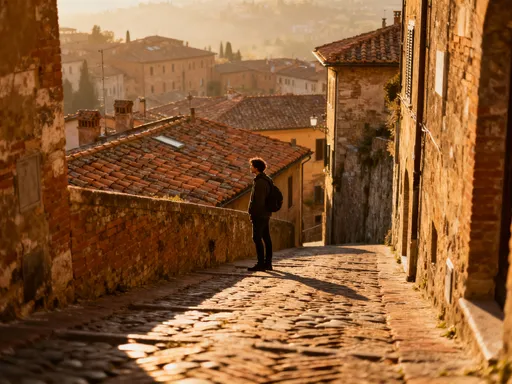
Arriving in Ghent by train feels like stepping into a storybook that never stopped being written. The central station is modern yet unobtrusive, and within minutes, you’re walking beneath towering Gothic spires and along waterways lined with blooming hydrangeas. The city center is compact and entirely walkable, a rare gem where history isn’t preserved behind glass but lived in every day. Students pedal past on bicycles, their baskets full of books and baguettes, while locals gather at outdoor tables with steaming mugs of coffee. This blend of academic energy and old-world charm gives Ghent a rhythm that’s both calm and vibrant.
From the moment you step off the platform, the sensory experience begins. The scent of freshly baked bread drifts from corner bakeries, where golden loaves of *desem* sourdough cool behind glass. Street vendors sell warm waffles topped with powdered sugar, not the overly sweet tourist versions, but simple, buttery treats made with care. Even the coffee culture here feels intentional — small independent roasteries like Röast and Rost Coffee serve single-origin brews in minimalist spaces that double as neighborhood hubs. These aren’t staged experiences; they’re the quiet, authentic rituals of daily life.
One of the most striking aspects of Ghent is how seamlessly its medieval past coexists with contemporary living. The Graslei and Korenlei waterfronts, once bustling trade docks in the 14th century, are now lined with cafés where people sip beer under striped awnings as boats glide by. The skyline is dominated by the three iconic towers — St. Nicholas’ Church, the Belfry, and St. Michael’s Church — their silhouettes reflected in the Leie River like something out of a Flemish painting. Yet, this isn’t a museum city frozen in time. It’s alive, evolving, and deeply proud of its roots, especially when it comes to food.
What makes Ghent so inviting is its balance. It has the grandeur of Bruges without the crowds, the culinary depth of Brussels without the formality. Families stroll along the canals in the evening, children chasing ducks while couples share cones of fries. There’s a sense of ease here, a lack of pretense that makes visitors feel welcomed rather than observed. For food lovers, this atmosphere is ideal — it means the best meals aren’t hidden behind reservation-only doors but served in unassuming neighborhood spots where locals return week after week.
The Heart of Ghent’s Cuisine: More Than Just Waffles and Beer
Beyond the postcard images and international reputation for waffles and beer, Ghent’s food scene reveals a deeper truth: this is a city built on flavor, tradition, and seasonal awareness. While tourists may come for the chocolate and fries, residents know that the soul of Flemish cuisine lies in slow-cooked stews, handmade pastas, and dairy so rich it tastes like sunlight captured in cream. The local diet is shaped by the fertile Flemish plains, the nearby North Sea, and centuries of agricultural wisdom passed down through generations.
At the core of Ghent’s culinary identity is a respect for ingredients. Dishes are not about complexity for its own sake but about enhancing what’s already excellent. Think of butter from grass-fed cows in West Flanders, or potatoes grown in the sandy soil near the coast — these aren’t just components; they’re the foundation. Seasonality plays a major role, with menus shifting subtly throughout the year. In spring, asparagus takes center stage; in autumn, game and mushrooms appear in stews and sautés. This connection to the land ensures that even simple meals feel special.
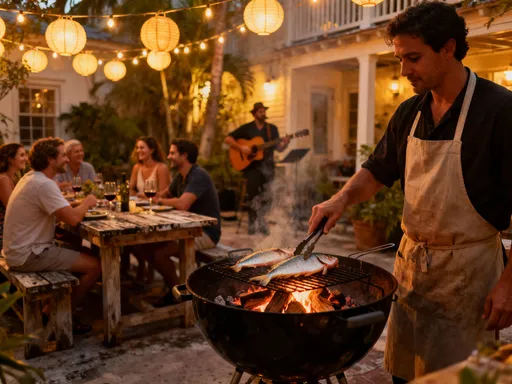
Family-run tavernes and neighborhood bistros are the heartbeat of the city’s dining culture. Unlike flashy restaurants designed for Instagram, these places focus on warmth, consistency, and hospitality. A typical *taverne* might have mismatched chairs, a chalkboard menu, and a bartender who knows your order by heart. Here, meals are served in generous portions, often family-style, encouraging conversation and connection. These aren’t just eateries — they’re community spaces where food brings people together.
What’s remarkable is how Ghent balances tradition with innovation. While many dishes have been prepared the same way for decades, younger chefs are reinterpreting them with modern techniques and global influences. You’ll find a classic *waterzooi* served alongside a miso-infused version, or a traditional beef stew paired with a fermented beet purée. This isn’t about replacing the old but expanding it, ensuring that Flemish cuisine remains relevant without losing its soul. The result is a dynamic food landscape where history and creativity coexist in harmony.
Must-Try Local Dishes: A Flavor Journey
No visit to Ghent is complete without tasting *waterzooi*, a creamy stew that embodies the comfort of Flemish home cooking. Traditionally made with chicken or fish, it’s slow-simmered with leeks, carrots, celery, and herbs, then enriched with egg yolk and cream. The result is a velvety broth that warms you from the inside out. The best versions are found in low-key brasseries like Het Waterzooi or ’t Pand, where the dish is made in copper pots and served with a side of buttered potatoes. It’s not flashy, but it’s deeply satisfying — the kind of meal that makes you understand why Belgians cherish it.
Another essential is *Stoverij*, a dish so beloved it’s practically a cultural institution. Tender chunks of beef are braised in dark Belgian beer until they fall apart, then served with a mountain of golden fries. The sauce, thick and malty, clings to the meat like a savory embrace. Locals often eat this after a night out, but it’s equally perfect for a cozy Sunday lunch. For an authentic experience, head to a *stoverijhuis* like De Superlative or ’t Bier-tempel, where the focus is on hearty portions and cold drafts of local brew.
For something lighter but equally flavorful, try *Spek en Kaas* — a simple yet iconic plate of cured pork and regional cheese. Often served with pickles, mustard, and a hunk of crusty bread, it’s a staple in brown cafés and wine bars. The spek is thinly sliced, slightly smoky, and melts on the tongue, while the cheese varies from sharp aged varieties to creamy blue-veined types. Pair it with a glass of dry white wine or a light ale, and you have a snack that feels both rustic and refined.
Belgians take their sauces seriously, and Ghent is no exception. While mayonnaise is the default, the real excitement lies in the house blends. *Andalouse* sauce — a mix of mayo, tomato, and bell peppers — brings a mild sweetness, while *samurai* sauce, made with chili and garlic, delivers a spicy kick. Some places even offer *curry ketchup*, *andalouse with herbs*, or *homemade truffle aioli*. These aren’t afterthoughts; they’re integral to the meal. Fries without sauce? Unthinkable.
Seasonality also shapes the menu. In spring, white asparagus from nearby fields appears in salads, soups, and even omelets. In autumn, game meats like venison and wild boar are slow-cooked with juniper and red wine, served in timbered dining rooms with candlelight. Even desserts follow the calendar — rhubarb tarts in early summer, pear compote in fall, and spiced speculoos cookies during the winter holidays. Eating in Ghent means moving with the rhythm of the seasons.
Fries Done Right: The Sacred Ritual of Belgian Frites
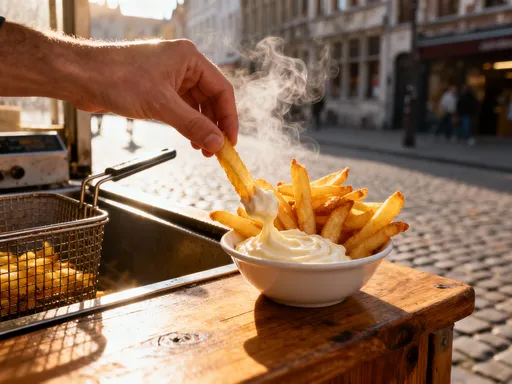
If there’s one food that defines Belgium, it’s the frite. And in Ghent, this isn’t just fast food — it’s a ritual. Belgian fries are made from high-starch potatoes, cut thick, and fried twice: first at a lower temperature to cook the inside, then at a higher heat to achieve that signature crisp exterior. The result is a fry that’s fluffy within and shatteringly crisp without, golden brown and never greasy. It’s a level of perfection that only comes from tradition and attention to detail.
The best places to enjoy them are the local *frituurs* — small, no-frills stands often run by the same family for decades. One of the most beloved in Ghent is Frituur De Koperen Spijker, a tiny counter tucked into a side street near the university. There’s no seating, just a window where locals queue for paper cones filled with steaming fries. Another favorite is Frituur De Kromme Watergang, located near the historic Patershol district, known for its fresh oil and generous portions. These aren’t chains; they’re institutions built on consistency and pride.
Sauce selection is a serious decision. While plain mayonnaise is the classic choice, many opt for *andalouse* or *samurai*. Some adventurous eaters mix sauces — a practice known as *mengsel* — combining mayo with curry ketchup or tartar for a custom flavor. The key is balance: enough sauce to enhance, not drown. And the method of eating? Always with your hands. Using a fork is considered absurd, almost disrespectful. The paper cone is designed for handheld enjoyment, meant to be shared or savored slowly as you walk along the canal.
There’s also a cultural etiquette around frites. Locals often buy them late at night after a few beers, but they’re equally popular as a mid-afternoon treat. Some pair them with a *broodje* — a small sandwich filled with cheese, ham, or stewed meat — turning a snack into a full meal. Whatever the occasion, the frite experience is social, casual, and deeply satisfying. It’s not about luxury; it’s about pleasure in simplicity.
Hidden Gems: Off-the-Beaten-Path Eateries
Beyond the main squares and tourist zones, Ghent reveals its true character in the narrow lanes of Patershol, a medieval quarter where cobbled alleys open into hidden courtyards and centuries-old taverns. This neighborhood, once home to tanners and butchers, now hosts some of the city’s most authentic dining spots. Here, you’ll find places like In de Engel, a centuries-old inn with vaulted ceilings and a menu of slow-cooked Flemish classics. There’s no English menu, no online reservation — just warm lighting, attentive service, and food that tastes like it’s been made for generations.
Another treasure is ’t Dreupelkot, a tiny wine bar with only a dozen seats, where the owner hand-selects natural wines and pairs them with seasonal small plates. It’s the kind of place you stumble upon by accident and immediately want to keep secret. Yet, Ghent’s hospitality means even the most hidden spots welcome visitors with openness, not exclusivity.
Markets also offer incredible culinary discoveries. The Vrijdagmarkt, held every Friday, transforms the central square into a feast of local produce, artisan cheeses, and fresh seafood. Nearby, the Dampoort market on Saturdays draws a more local crowd, with vendors selling everything from organic vegetables to handmade pâtés. These aren’t staged for tourists; they’re where Ghent residents do their weekly shopping, making them perfect for experiencing everyday food culture.
Coffee and chocolate lovers will find joy in the city’s small-batch producers. Roasteries like Bocca Coffee and Coffee Lab serve expertly brewed pour-overs using beans roasted on-site. Chocolate shops such as Dominique Persoone and The Chocolate Line offer inventive flavors — think chili, olive oil, or even bacon — while still honoring traditional techniques. These places prove that Ghent’s food scene isn’t just about tradition; it’s also about thoughtful innovation.
How do you spot a truly local spot? Look for a few key signs: a menu written in Dutch, no photos of dishes in the window, and a clientele that includes older couples and families. Avoid places with multilingual menus printed on glossy paper or staff calling out to passersby. Authenticity in Ghent isn’t loud; it’s quiet, confident, and deeply rooted in place.
Beer and Food: A Perfect Pairing
Belgium’s beer culture is legendary, and Ghent plays a vital role in its modern revival. While the country is known for Trappist ales and lambics, Ghent has embraced the craft movement, with microbreweries popping up in converted warehouses and old stables. Places like Gentse Bourgogne and De Halve Maan (though based in Bruges, its influence is felt here) have inspired a new generation of brewers who experiment with local ingredients and traditional methods.
But for many locals, the true heart of beer culture lies in the *brown café* — dimly lit, wood-paneled pubs with long counters and a sense of timelessness. These are not bars trying to be trendy; they’re community anchors where regulars debate politics, students study over pints, and travelers are welcomed like old friends. A visit to ’t Dreupelkot or De Muze offers not just excellent beer but a glimpse into Belgian social life.
Drinking in Ghent is as much about ritual as it is about taste. Many opt for a *tasting flight* of small glasses to sample different styles — a golden blonde, a dark dubbel, a fruity saison. The *kotbus* culture, where university students live in themed houses and organize pub crawls, keeps the beer scene youthful and energetic. Yet, there’s no pressure to overindulge; moderation and appreciation are key.
Pairing beer with food is an art here. A rich *waterzooi* goes beautifully with a malty abbey ale, while a sharp cheese plate is elevated by a dry saison. Even fries find their match — a crisp pilsner cuts through the richness, while a spiced amber beer complements bold sauces. Bartenders are happy to guide you, offering suggestions based on your preferences. This isn’t snobbery; it’s shared enthusiasm.
Practical Tips for a Food-Focused Visit
Timing your meals can make a big difference in your experience. Locals typically eat dinner late, between 7:30 and 9:00 p.m., so arriving earlier means quieter tables and more attentive service. Many restaurants offer a *menu du jour* — a fixed-price lunch special — which is an excellent way to sample high-quality food at a lower cost. These often include a starter, main, and coffee, and are served from noon to 2:00 p.m.
Budget-conscious travelers will find plenty of affordable options. Street food, markets, and frituurs offer delicious meals for under €10. A cone of fries with sauce costs around €3–€5, while a market sandwich or soup bowl is similarly priced. For a full meal, look for brasseries offering *dagmenu* (daily menu) deals, especially on weekdays.
Dietary needs are increasingly accommodated. While traditional Flemish cuisine is meat- and dairy-heavy, many restaurants now offer vegetarian adaptations. Dishes like roasted vegetable stews, lentil soups, and goat cheese tarts are common. Gluten-free options are less widespread but available in modern eateries and cafés. It’s always wise to ask, as staff are generally helpful and willing to accommodate.
Getting around is easy. Ghent is incredibly walkable, and most food hotspots are within a 20-minute stroll of the center. Biking is another popular option — rental shops like Bike Republic offer sturdy city bikes by the hour or day. The tram system is efficient, with lines connecting major neighborhoods and markets. For a scenic route, take tram 1 or 2 along the canals, hopping off near Patershol or the Dampoort market.
Conclusion
Ghent isn’t just a stopover — it’s a celebration of flavor, history, and everyday joy found in shared meals. Its cuisine tells the story of Flanders: hearty, humble, and full of soul. Whether you're sipping craft beer by the canal or biting into a golden cone of fries, you’re not just eating — you’re connecting. For travelers craving authenticity, this city delivers, one delicious bite at a time. Ready to check in?