What No One Tells You About Siena’s Architecture — And Why It’s Still Amazing
You know that moment when you walk into a city and everything just feels… different? That’s Siena. Its buildings don’t just stand there — they talk, whispering centuries of history through terracotta roofs and weathered stone. But here’s the thing: while everyone raves about its beauty, few mention the quirks that can catch you off guard. I’m talking about steep hills, confusing alleyways, and facades that look breathtaking — until you realize access isn’t what you’d expect. This is real talk from someone who wandered too far down a narrow lane and lived to tell the tale.
First Impressions: When Beauty Meets Reality
The first glimpse of Siena’s skyline is unforgettable. As you approach from the Tuscan hills, the city rises like a crown of stone and clay, perched on three ridges that fan outward like fingers. The Duomo, with its black-and-white striped marble facade, cuts a dramatic silhouette against the sky. Nearby, the Torre del Mangia stands tall, a slender tower that has watched over the city since the 14th century. The buildings seem to grow from the earth itself, their warm ochre and terracotta tones blending seamlessly with the surrounding landscape. It’s no wonder visitors often pause, breath caught, at the sheer visual harmony of it all.
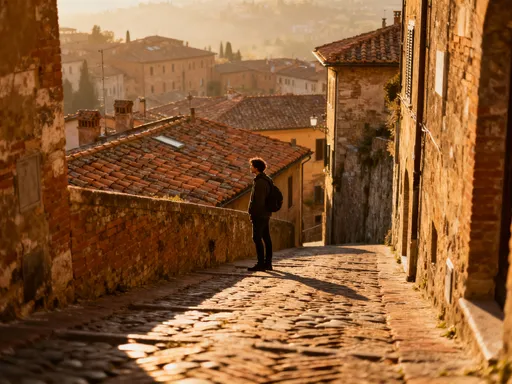
Yet, beneath the postcard perfection lies a different story — one of physical challenge and subtle disorientation. The moment you step into the city center, the ground begins to shift. What looks like a flat plaza on a map quickly reveals itself as a gently sloping incline. Cobblestones, worn smooth by centuries of foot traffic, are uneven underfoot. The streets curve and twist without warning, leading you upward in ways you didn’t anticipate. For many, the emotional high of awe is soon followed by a quiet realization: Siena was not built for modern convenience.
This duality — beauty intertwined with difficulty — is central to the Sienese experience. The city’s architecture was designed for defense, community, and religious expression, not for accessibility or ease of navigation. Its layout reflects medieval priorities: narrow alleys for shade and protection, elevated vantage points for surveillance, and compact urban planning to preserve arable land. These features make Siena extraordinary, but they also demand a certain level of physical readiness from visitors. The same walls that once kept invaders out now present a different kind of barrier — one of stamina and adaptability.
Understanding this contrast is the first step toward appreciating Siena fully. The city does not conform to expectations. It asks you to slow down, to look closely, to feel the weight of each step. And in return, it offers something rare: a sense of stepping into a living past, where every stone has a story and every turn reveals a new layer of history.
The Illusion of the Piazza: Open Spaces With Hidden Limits
Piazza del Campo is often described as one of Europe’s most beautiful public squares — and with good reason. Its unique shell-shaped design slopes gently toward the center, creating a natural amphitheater that has hosted markets, festivals, and the world-famous Palio horse race for over 700 years. The surrounding buildings, with their arched porticoes and warm stonework, frame the space like a carefully composed painting. At dawn or dusk, when the light hits the brick at just the right angle, the piazza glows with an almost golden warmth.
But beauty, in this case, comes with trade-offs. For all its grandeur, the piazza offers little in the way of comfort. There are no benches, no shaded areas, and only a handful of permanent rest spots. During the summer months, the stone surface absorbs heat relentlessly, making midday visits an exercise in endurance. Visitors often stand or crouch on the steps of the Palazzo Pubblico, the city hall that dominates one side of the square, simply because there’s nowhere else to sit. Even the famous fountain, the Fonte Gaia, provides more visual relief than practical use.
When the Palio takes place twice each summer, these limitations become even more apparent. The piazza transforms into a packed arena, filled with tens of thousands of spectators. Temporary bleachers rise along the edges, and the normally open space becomes a tightly controlled event zone. While the energy is electric, movement is restricted, restrooms are overwhelmed, and the lack of shelter becomes a real issue if rain arrives unexpectedly. What was once a communal heart of the city turns, briefly, into a spectacle that prioritizes tradition over visitor comfort.
Still, these challenges don’t diminish the piazza’s significance. On quieter days, it remains a vibrant social hub — a place where locals gather for morning coffee, children chase pigeons, and travelers pause to take in the view. The absence of modern amenities, in a way, preserves its authenticity. Piazza del Campo was never meant to be a tourist park with cafés on every corner; it was built as a stage for civic life. Its limitations remind us that some spaces resist being fully tamed by convenience — and perhaps that’s part of their enduring charm.
Climbing the Streets: The Physical Cost of Vertical Design
If there’s one thing Siena doesn’t hide, it’s its elevation. The city is built across three hills, and getting from one point to another often means conquering a series of steep ascents. What might look like a short walk on a map can easily turn into a 15-minute climb, especially when the path is paved with uneven stone steps. For visitors in good physical condition, these climbs can be invigorating — a chance to earn panoramic views with every step. But for those with limited mobility, chronic pain, or respiratory issues, the terrain can be a significant obstacle.
One of the most common routes — from Porta San Marco to the Duomo — illustrates this perfectly. The journey begins at a city gate nestled in the ancient walls, then follows Via Camollia, one of Siena’s historic entry roads. What starts as a gentle incline soon becomes a relentless climb, with sections of worn stairs embedded into the street. By the time you reach the cathedral square, your legs may be burning and your breath coming faster than expected. And yet, few guidebooks warn you about this. Maps rarely indicate elevation changes, and digital navigation apps often suggest the most direct route without considering physical strain.
The city’s vertical design wasn’t accidental. In medieval times, elevation meant security. Higher ground offered better visibility for spotting approaching enemies, and steep streets slowed down invaders. The urban layout also helped manage water runoff and provided natural ventilation in the hot Tuscan summers. But these historical advantages don’t always translate into ease of access today. Many of Siena’s most important sites — the Duomo, the Basilica of San Domenico, the Church of San Francesco — are located at high points, requiring visitors to ascend to reach them.
While some pathways have handrails or rest areas, they are inconsistent. Elevators or ramps are rare, and when they do exist, they’re often tucked away or poorly marked. This doesn’t mean Siena is impossible to navigate, but it does mean that preparation is key. Choosing routes with gentler gradients, allowing extra time between destinations, and wearing supportive footwear can make a meaningful difference. The city rewards effort, but it doesn’t disguise the cost of that reward.
Façade vs. Function: Gorgeous Exteriors, Tricky Interiors
Siena’s buildings are masterclasses in exterior design. The Duomo’s polychrome marble front, the intricate Gothic windows of the Palazzo Pubblico, the rusticated stonework of centuries-old palazzi — each façade tells a story of artistry and civic pride. But step inside, and the narrative often shifts. What looks like a grand entrance may lead to a confusing series of corridors, narrow staircases, or unexpected turns. Many historic structures were not built with modern tourism in mind, and their interiors reflect centuries of layered additions, renovations, and preservation efforts.
The Duomo itself is a prime example. Its magnificent façade draws thousands daily, but accessing the full complex requires careful planning. The cathedral, the Piccolomini Library, the Baptistery, and the Museo dell’Opera are all separate spaces, each with its own entrance or ticketing point. While a combined pass grants access to most areas, the layout is not intuitive. Visitors often find themselves backtracking, searching for doors marked only in Italian, or waiting in lines that seem to lead nowhere. The famed climb up the Facciatone — the unfinished façade offering one of the best views of the city — involves a narrow, dimly lit staircase that can be daunting for those with claustrophobia or balance issues.
Accessibility is another concern. While efforts have been made to improve access for people with disabilities, progress is limited by the buildings’ age and structural constraints. The Duomo has a small elevator, but it serves only part of the complex and is not available for all areas. Many churches and museums remain entirely step-access only. Signage is often minimal, and audio guides or multilingual information may be outdated or unavailable.
These challenges stem from a deeper tension: the balance between preservation and usability. Siena’s architectural treasures are protected by strict conservation laws, which restrict alterations that could damage original materials or historical integrity. While this ensures authenticity, it also means that modern adaptations — like elevators, ramps, or digital wayfinding systems — are difficult to implement. The result is a city that honors its past with remarkable fidelity, but sometimes at the expense of visitor comfort.
Navigating the Maze: When Charm Turns to Confusion
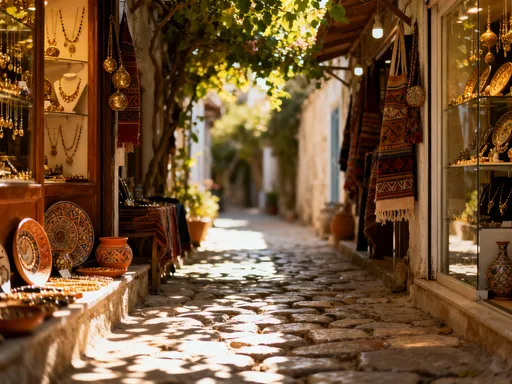
One of Siena’s most enchanting qualities is also one of its most disorienting: the labyrinthine network of narrow streets. Winding alleyways, some barely wide enough for two people to pass, snake through the city with no clear grid or logic. Names change unexpectedly, and street signs are sparse. To a first-time visitor, it’s easy to feel like you’ve stepped into a puzzle with no solution. The same charm that makes Siena photogenic — the overhanging eaves, the ivy-covered arches, the sudden courtyards — also makes it hard to navigate.
GPS is of limited help. Satellite signals often drop in the deep canyons formed by tall stone buildings, and mapping apps struggle to distinguish between parallel alleys that look nearly identical. Even experienced travelers can find themselves circling the same block, convinced they’ve passed a particular fountain or shop before — because they have. The architectural continuity, while beautiful, erases visual landmarks. A red door here, a laundry line strung between balconies there — these small details blend together after a while.
The city’s historic divisions, known as contrade, add another layer of complexity. Siena is divided into 17 neighborhoods, each with its own identity, emblem, and church. While this system is central to local life — especially during the Palio — it’s rarely explained clearly to tourists. Maps may show contrade boundaries, but without context, they’re just colored patches on a page. A visitor might unknowingly walk from the territory of the Owl to the Dragon without realizing it, missing the subtle cues that locals read instantly.
Getting lost isn’t always a bad thing. Some of Siena’s best moments happen by accident — a hidden garden glimpsed through a gate, a quiet bench with a view of the valley, a family-run trattoria tucked away in a back street. But for those with limited time or energy, the lack of clear orientation can be frustrating. Carrying a paper map, asking for directions in simple Italian, or using a local guide can make a significant difference. The maze doesn’t have to be overwhelming — it just requires a different kind of awareness.
Preservation Over Practicality: Living With Ancient Rules
Siena’s architectural integrity is protected by some of the strictest conservation laws in Italy. As a UNESCO World Heritage site, the city must maintain its historic character, which means limiting modern interventions. No neon signs, no large advertisements, no radical renovations. Even minor changes — like installing a new door or painting a façade — require approval from heritage authorities. These rules ensure that Siena remains visually cohesive, a place where the past is not just remembered but lived.
But this commitment to preservation comes with practical trade-offs. Public amenities are sparse. Restrooms are few and far between, and those that exist are often located in museums or cafés that require a purchase for access. Benches are rare, and shelters from rain or sun are minimal. During peak tourist seasons, this lack of infrastructure becomes noticeable. Visitors queue for toilets, search in vain for a place to sit, or get caught in sudden downpours with no nearby cover.
Signage is another casualty of conservation. To protect the aesthetic harmony of the streets, official signs are kept small, discreet, and often placed at inconsistent heights. Directional markers for major sites like the Duomo or Piazza del Campo are helpful but not comprehensive. Informational plaques, when present, are usually in Italian only. This creates a barrier for non-Italian speakers, who may struggle to understand the historical context of what they’re seeing.
These limitations aren’t signs of neglect — they’re the price of authenticity. Siena chooses to prioritize historical integrity over modern convenience, and that choice shapes every aspect of the visitor experience. It means the city feels less commercialized, less sanitized, more real. But it also means that travelers must adapt. Bringing water, carrying a compact umbrella, and planning restroom stops in advance are small adjustments that can greatly improve comfort.
Traveler’s Guide: How to Experience Siena’s Architecture Wisely
Visiting Siena doesn’t have to be a test of endurance — with the right preparation, it can be a deeply rewarding experience. The key is to respect the city’s rhythm and design. Start with footwear: sturdy, closed-toe shoes with good grip are essential. The cobblestones are unforgiving, and a single misstep can lead to a sprained ankle. Avoid sandals or heels, no matter how stylish they seem.
Next, plan your route with elevation in mind. Instead of relying solely on digital maps, pick up a physical city guide or ask your hotel for a recommended walking path. Some routes, like the one from the train station to the city center, are steeper than others. If you’re staying outside the walls, consider taking a bus or taxi part of the way to conserve energy. Once inside, break your visit into manageable segments. See the Duomo in the morning, rest during the hottest hours, and explore the quieter contrade in the late afternoon.
Timing matters. Arriving early — ideally before 9 a.m. — means fewer crowds, cooler temperatures, and a better chance to appreciate the architecture without jostling for space. It also gives you time to secure tickets for major sites before lines form. If you’re visiting during the Palio, book accommodations and event access well in advance, and be prepared for road closures and noise.
When it comes to navigation, trust local knowledge. Ask shopkeepers or café staff for directions — many are happy to help. Carry a paper map as a backup, and don’t hesitate to retrace your steps if you’re unsure. Remember that getting lost is part of the experience, not a failure. And above all, respect restricted areas. Some buildings, courtyards, or alleys are private or under restoration. Trespassing may seem harmless, but it undermines the preservation efforts that keep Siena intact.
Conclusion: Embracing the Imperfections That Make Siena Real
Siena’s architecture is not perfect — and that’s exactly what makes it extraordinary. The steep climbs, the confusing alleys, the lack of modern comforts — these aren’t flaws to be fixed, but echoes of a city that has lived through centuries of change without losing its soul. Every uneven step, every moment of disorientation, connects you more deeply to the people who built and lived in this place.
What no one tells you about Siena is that its beauty isn’t passive. It doesn’t reveal itself easily. It asks for attention, for effort, for presence. You can’t rush through it and truly understand it. But if you slow down, if you listen to what the stones are saying, you’ll find a kind of magic that polished, perfectly accessible cities often lack.
So yes, wear good shoes. Plan ahead. Be ready for surprises. But don’t let the challenges scare you off. Because in the end, the most memorable travel experiences aren’t the ones that go smoothly — they’re the ones that leave you a little breathless, a little lost, and completely alive. Siena doesn’t just show you history — it lets you walk through it, feel it, earn it. And that, more than any flawless façade, is what makes it truly amazing.