You Won’t Believe These Hidden Shops in Kaş, Turkey
Nestled along Turkey’s Turquoise Coast, Kaş is more than just crystal-clear waters and charming stone houses. Tucked away from the main streets are secret shopping spots that most tourists miss. I stumbled upon them by chance—and trust me, they’re worth hunting down. From handwoven textiles to one-of-a-kind ceramics, these local gems offer authentic finds you won’t see in every souvenir shop. This is shopping with soul, where every item tells a story. In a world increasingly dominated by mass production and generic souvenirs, Kaş stands as a quiet guardian of craftsmanship, tradition, and human connection. Here, shopping is not a transaction—it’s a conversation, a discovery, a memory in the making.
The Allure of Authentic Shopping in Kaş
Kaş, a coastal gem on Turkey’s southwestern shore, has long drawn visitors with its whitewashed buildings, sea breezes, and panoramic views of the Mediterranean. Yet beyond its scenic beauty lies a quieter, more intimate experience: authentic shopping rooted in heritage and care. Unlike the bustling bazaars of Istanbul or the crowded markets of popular beach resorts, Kaş offers a different rhythm. Its shopping culture is not about volume or speed, but about depth and meaning. The shops here are often family-run, passed down through generations, where the owner remembers your name and explains how a scarf was dyed using pomegranate peels or how a ceramic bowl was shaped from clay found in the nearby hills.
What sets Kaş apart is its deep connection to local artisanship. The town has preserved a tradition of handmade goods that reflect both its geographical setting and cultural history. The Lycian past, Ottoman influences, and Mediterranean lifestyle converge in the details of daily life—including what people create and sell. Travelers today are increasingly seeking meaningful experiences over generic keepsakes. They want to bring home something that carries a sense of place, something made with intention. In Kaş, this desire is not just met—it is honored. Each shop becomes a portal into a slower, more thoughtful way of living, where craftsmanship is not a marketing term but a way of life.
Moreover, the absence of large commercial chains in these hidden corners allows for genuine expression. Artisans are not pressured to produce for trends or seasons. Instead, they work at their own pace, often creating limited quantities. This exclusivity is not manufactured—it is organic. When you purchase a hand-stitched linen napkin or a silver pendant shaped like an ancient sun symbol, you are not just buying an object. You are supporting a tradition, sustaining a livelihood, and becoming part of a story that stretches back decades, if not centuries. In this way, shopping in Kaş becomes an act of preservation, a quiet resistance to the homogenization of global tourism.
Finding the Hidden Path: How to Discover Secret Shopping Spots
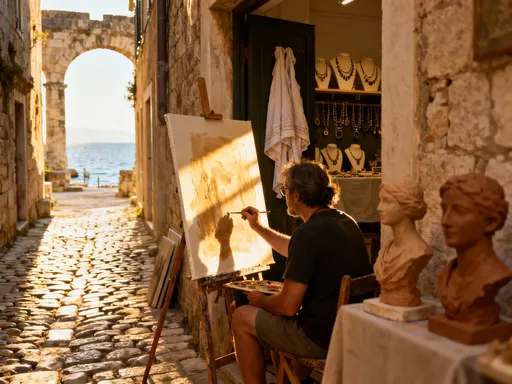
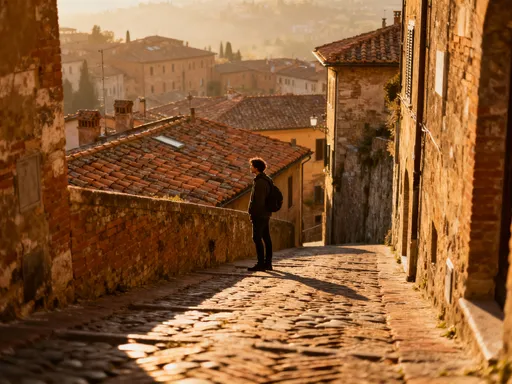
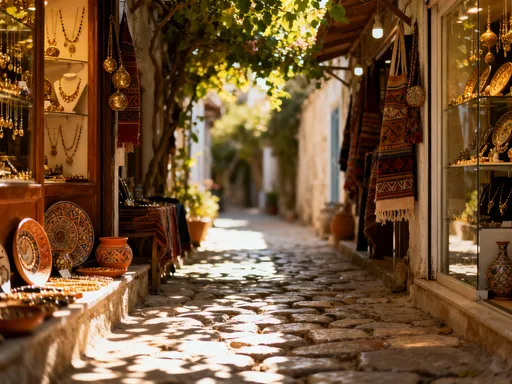
The magic of Kaş’s hidden shops lies not only in what they offer but in how you find them. These are not places marked by flashing signs or located on main avenues. They are tucked into narrow cobblestone lanes, behind ivy-covered walls, or up a flight of stone steps that seem to lead nowhere. To discover them, one must embrace the art of wandering. Put away the map. Silence the GPS. Let curiosity be your guide. Some of the most memorable finds come not from research but from chance—a glimpse of hand-painted tiles through an open door, the scent of olive oil drifting from a small storefront, or a friendly nod from a local who points you toward a weaver’s studio just around the corner.
Timing also plays a subtle but important role. The early morning hours, when the sun casts soft golden light over the rooftops and the streets are still quiet, are ideal for exploration. Shop owners are often opening up, sweeping their doorsteps, or arranging their displays. This is when they are most available for conversation. Late afternoon, just before sunset, offers another window. As the heat of the day fades, artisans may invite you in for tea, happy to share the story behind their work. These moments of connection are not staged for tourists—they are genuine, unhurried, and deeply human.
Learning to recognize authenticity is equally important. In a region popular with visitors, some shops do sell imported goods disguised as local crafts. A careful eye can tell the difference. Real handmade jewelry will have slight imperfections—each piece unique, not identical. Handwoven textiles will feel substantial, with irregularities in the weave that speak of human hands at work. Ceramics will vary slightly in shape and glaze, evidence of individual craftsmanship. When in doubt, ask questions. Where did this come from? Who made it? How long did it take? Most artisans in Kaş are proud of their work and eager to share its origins. These conversations not only deepen your appreciation but also ensure that your purchase supports the right people.
Handmade Jewelry with a Story
Among the most captivating discoveries in Kaş are the small jewelry workshops hidden in quiet alleys. These are not storefronts filled with mass-produced trinkets, but intimate spaces where silversmiths shape metal with care and precision. Many of these artisans draw inspiration from the ancient Lycian civilization, whose ruins still dot the surrounding hills. You might find pendants shaped like sun discs, earrings modeled after sea creatures, or rings engraved with symbols that once adorned temple walls. These are not mere replicas—they are reinterpretations, brought to life through modern hands rooted in tradition.
The experience of visiting such a workshop is unforgettable. You might sit on a low stool in a sunlit room, watching as a craftsman heats silver wire over a small flame, twists it into delicate forms, and sets stones like turquoise, amethyst, or carnelian by hand. There is a meditative quality to the work, a sense of timelessness. Some artisans offer custom fittings, allowing you to try on pieces and adjust designs to your taste. This personal touch transforms jewelry from an accessory into a keepsake—something made not just for anyone, but for you.
What makes these pieces truly special is their cultural resonance. In Turkey, jewelry has long carried symbolic meaning—protection, prosperity, identity. A silver bracelet might be worn to ward off the evil eye; a necklace with a double knot could represent enduring love. When you wear a piece from Kaş, you are not only adorning yourself but carrying forward a legacy. These are not trends that will fade next season. They are heirlooms in the making, each one shaped by history, nature, and human intention. To own such a piece is to hold a fragment of Kaş’s soul.
Textiles That Whisper Tradition
Another treasure waiting to be discovered in Kaş is its handcrafted textiles. In small ateliers tucked behind courtyard gates, local weavers work on wooden looms, creating fabrics that embody the colors and textures of the region. Cotton scarves dyed with saffron, indigo, or walnut husks; linen table runners embroidered with floral motifs; hand-tufted towels in soft earth tones—these are not items churned out by machines, but expressions of a living craft. The process is slow, deliberate, and deeply connected to the land. Natural dyes are made from plants grown in nearby fields or gathered from the hillsides. The patterns often reflect motifs found in traditional Anatolian homes, passed down through generations of women who wove not just for sale, but for family and ritual.
The sensory experience of these textiles is immediate. Run your fingers over a hand-loomed shawl, and you feel its weight, its slight irregularities, its warmth. These are not flaws—they are signs of authenticity. Unlike factory-made fabrics that feel uniform and lifeless, these textiles breathe. They soften with use, gaining character over time. Many visitors are surprised by how luxurious they feel, despite their simple appearance. A scarf dyed with pomegranate extract, for instance, carries a subtle sheen and a faint earthy scent—a reminder of its origins.
Supporting these weavers means supporting a vanishing art. Across Turkey, industrial production has made it harder for small-scale artisans to survive. Yet in Kaş, a quiet revival is underway. Some younger women are returning to their grandmothers’ techniques, blending them with contemporary designs to appeal to modern tastes. Others collaborate with eco-conscious brands to ensure fair wages and sustainable practices. When you purchase a textile from one of these ateliers, you are not just buying fabric—you are helping to keep a tradition alive. You are saying yes to slow fashion, to beauty with purpose, to craftsmanship that respects both people and planet.
Ceramics Rooted in the Earth
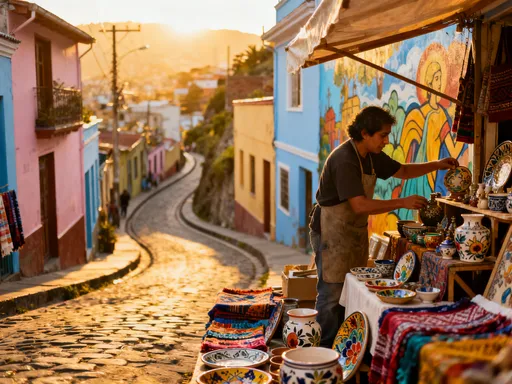
Just beyond the harbor, in a cluster of sun-drenched courtyards, potters in Kaş shape clay into objects of both function and beauty. These modest studios are easy to miss—no neon signs, no loud music, just the quiet hum of creativity. Inside, shelves hold bowls glazed in deep cobalt blue, plates painted with olive branches, vases shaped like sea urchins. The clay itself comes from local sources, rich in minerals that give the pottery its distinctive weight and color. Firing is often done in wood-burning kilns, a method that yields unpredictable results—cracks, bubbles, variations in glaze—that are not hidden but celebrated as part of the piece’s character.
The designs reflect a blend of Anatolian heritage and Mediterranean simplicity. Geometric patterns echo those found in ancient mosaics, while fluid shapes mimic the movement of waves. Some potters incorporate motifs from nature—leaves, shells, stars—into their work, creating pieces that feel at home in both traditional homes and modern kitchens. A hand-thrown mug, for example, may fit perfectly in your hand, its slightly uneven rim a testament to the potter’s touch. A serving dish might be painted with a spiral symbolizing eternity, a nod to the region’s spiritual history.
What makes these ceramics so meaningful is their connection to daily life. They are not meant to sit behind glass. They are made to be used—to hold soup, to serve olives, to grace a table during a family meal. In this way, they continue a tradition in which art and utility are not separate, but intertwined. Visitors are often invited to watch a potter at work, to see how a lump of clay becomes a vessel through patience and skill. Some studios even offer short workshops, allowing guests to try their hand at the wheel. These experiences create lasting memories, turning a simple purchase into a personal journey.
Boutique Perfume and Olive Oil Shops Off the Beaten Path
Wander a little further, and you may stumble upon tiny shops that awaken the senses in unexpected ways. These are not perfume boutiques in the conventional sense, but intimate spaces where natural scents are blended by hand. The air is rich with the aroma of citrus, lavender, wild thyme, and myrtle—plants that grow abundantly in the region. Using traditional distillation methods, local artisans extract essential oils and craft perfumes that capture the essence of the Mediterranean. Unlike commercial fragrances, which often rely on synthetic ingredients, these are pure, subtle, and deeply evocative. A single spritz can transport you to a sunlit hillside, a quiet orchard, a sea breeze at dawn.
Adjacent to these scent studios, you’ll often find small olive oil shops, equally unassuming but full of flavor. Turkey is one of the world’s largest producers of olive oil, and the Aegean and Mediterranean regions are known for their high-quality, cold-pressed varieties. In Kaş, some producers operate on a small scale, harvesting olives by hand and pressing them within hours to preserve freshness. Tasting sessions are common—offering samples of golden oil drizzled over warm bread, sometimes with a sprinkle of local herbs. The flavor is bright, slightly peppery, with notes of green apple and almond. It’s a far cry from the bland, over-processed oils found in supermarkets.
These boutique shops play a vital role in sustaining local economies. They support farmers, foragers, and artisans who prioritize quality over quantity. By choosing to buy from them, travelers contribute to a system that values sustainability, transparency, and community. The owners are often passionate educators, eager to explain the differences between early harvest and late harvest oils, or how a perfume’s base notes develop over time. These conversations enrich the experience, turning a simple purchase into a lesson in culture and ecology. In a world of fast consumption, these shops offer a slower, more thoughtful alternative.
Why These Hidden Shops Matter—And How to Shop Responsibly
In an age of global supply chains and instant gratification, the hidden shops of Kaş represent something rare: authenticity, connection, and care. They are not immune to the pressures of tourism and modernization, but they persist—quietly, resiliently. Each one is a testament to the value of handmade work, to the dignity of the artisan, and to the beauty of things made slowly and with intention. Yet their survival depends on how visitors choose to engage with them. Mindful shopping is not just a preference—it is a responsibility.
To shop responsibly in Kaş means asking questions. Who made this? How long did it take? What materials were used? It means being willing to pay a fair price for quality, understanding that a low cost often comes at the expense of the maker. It means resisting the urge to bargain aggressively, especially when dealing with small artisans whose livelihoods depend on every sale. It means choosing depth over quantity—buying one meaningful piece rather than ten forgettable trinkets. And it means treating these spaces with respect, not as photo opportunities but as living workplaces rooted in culture and community.
Ultimately, visiting these hidden shops is about more than souvenirs. It is about connection. It is about looking into the eyes of a weaver, smelling the oil pressed from olives harvested last week, holding a bowl shaped from local clay. These moments remind us that travel is not just about seeing new places, but about encountering new ways of being. In Kaş, shopping becomes a form of storytelling—a way to carry a piece of a place home, not just in your suitcase, but in your heart. So the next time you walk through this quiet coastal town, let yourself wander. Step off the main path. Listen to the whispers of tradition. You might just find something you never knew you were looking for—but will never forget.