You Won’t Believe These Hidden Natural Wonders in Chiang Rai
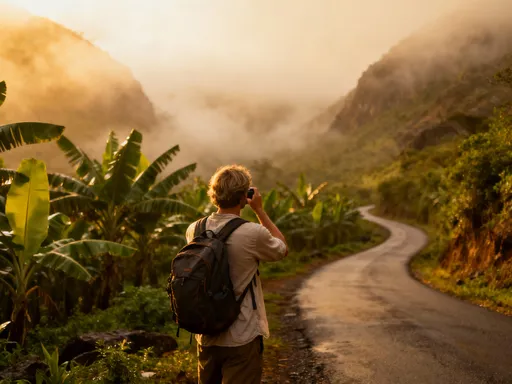
Nestled in northern Thailand, Chiang Rai is more than just a cultural gem—it’s a playground of untouched nature. From misty mountains to hidden waterfalls, every corner feels like a secret the earth didn’t mean to reveal. I wandered without a map and stumbled upon valleys painted in green, hot springs that soothed my soul, and rivers so clear they mirrored the sky. This isn’t just travel—it’s immersion at its purest. Far from the well-trodden paths of Thailand’s coastal resorts or bustling cities, Chiang Rai offers a quieter, deeper kind of journey—one where the rhythm of life slows to match the sway of bamboo in the wind and the hush of morning fog drifting through mountain passes. For travelers seeking serenity, authenticity, and natural beauty untouched by mass tourism, this northern province is a revelation waiting to unfold.
Discovering Chiang Rai’s Wild Heart
Chiang Rai is often introduced through its iconic White Temple or vibrant hill tribe markets, but its true soul lies beyond paved roads and tour group itineraries. The province stretches across a rugged, forested landscape where elevation shifts create microclimates, each nurturing unique ecosystems. Here, nature doesn’t play a supporting role—it takes center stage. Rolling hills rise like waves frozen mid-motion, cloaked in emerald foliage that glows under soft sunlight. The air carries a clean, crisp freshness, especially in the early hours, when dew clings to leaves and the distant crow of a rooster echoes across the valley.
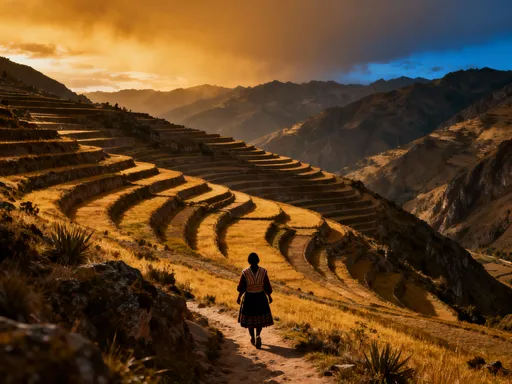
What makes Chiang Rai exceptional is its balance between accessibility and seclusion. While neighboring provinces have seen rapid development, much of Chiang Rai remains refreshingly unspoiled. Villages dot the hillsides, connected by narrow roads that wind through tea plantations and rice terraces. These communities live in quiet harmony with their surroundings, relying on sustainable farming and forest resources. For the mindful traveler, this offers more than scenic views—it provides a chance to witness a way of life rooted in respect for the land.
Exploring Chiang Rai’s wild heart means stepping away from the idea of tourism as a checklist. There are no crowds at dawn, no long lines to enter attractions, and no pressure to see everything in one day. Instead, the journey becomes about presence—about noticing the way sunlight filters through the canopy or how a sudden breeze stirs the treetops. It’s a destination that rewards curiosity, inviting visitors to pause, breathe, and truly connect with the natural world.
The Magic of the Mountain Highlands
Among the most transformative experiences in Chiang Rai is ascending into its mountain highlands, particularly around the Doi Tung region. At elevations ranging from 800 to over 1,300 meters, the climate shifts dramatically from the humid lowlands, bringing cooler temperatures and frequent mist that wraps the peaks in a silken veil. This elevation doesn’t just change the weather—it alters the entire sensory experience of travel. The air feels lighter, crisper, easier to inhale deeply, as if the mountains themselves are encouraging slower, more deliberate breaths.
Doi Tung and its surrounding ranges are rich in biodiversity. The forests here host a mix of pine, oak, and evergreen species, creating a layered tapestry of greens. Birdsong fills the morning hours, from the melodic calls of bulbuls to the sharp chirps of sunbirds flitting between blossoms. Orchids bloom along shaded trails, and wild ferns unfurl in damp clearings. These highlands are also home to several hill tribe communities, including the Akha, Lahu, and Karen peoples, whose ancestors have lived in these mountains for generations. Their terraced farms, simple wooden homes, and traditional practices reflect a deep understanding of the land’s rhythms and limitations.
From the summit viewpoints, panoramic vistas stretch across undulating hills, patchworked with forests, fields, and the occasional glint of a distant stream. On clear days, the horizon blurs into a soft blue haze, giving the impression of an endless, unbroken wilderness. These views do more than impress—they recalibrate perspective. The vastness of the landscape puts daily worries into context, reminding visitors of nature’s enduring presence. For many, the time spent in the highlands becomes a kind of quiet meditation, where the mind settles and the spirit lifts, simply by being still in such a powerful setting.
Hidden Waterfalls You Have to See to Believe
While Chiang Rai has its share of well-known waterfalls, some of its most breathtaking cascades remain hidden from mainstream tourism. Places like Rong Kla and Huai Nam Dang offer raw, unfiltered beauty—untouched by concrete paths or entrance gates. These falls emerge suddenly from the jungle, their presence announced first by the distant roar of falling water, then by the cool mist that kisses the skin long before the source comes into view. The experience is visceral, almost primal—a reminder that nature doesn’t need embellishment to inspire awe.
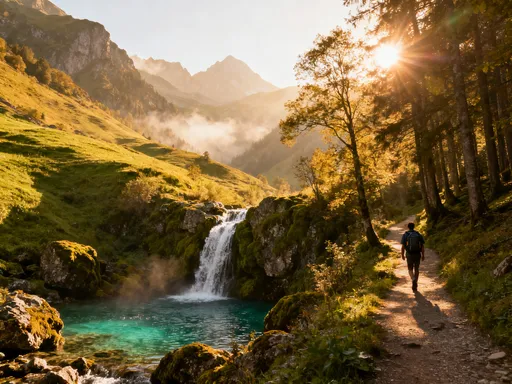
Rong Kla, tucked deep within a forested ravine, flows in multiple tiers, each drop feeding into crystal-clear pools below. The rocks are draped in thick moss, vibrant green and spongy underfoot, while ferns and creepers frame the scene like living curtains. Sunlight, when it breaks through the canopy, dances on the water’s surface, casting shimmering patterns on the stone. Huai Nam Dang, though less dramatic in height, captivates with its serenity. Surrounded by dense foliage, the falls cascade gently into a wide, shallow basin perfect for wading on a warm afternoon.
Visiting these waterfalls requires a bit of effort, but the reward is solitude and authenticity. Most are accessible via dirt roads followed by short hikes, often on uneven terrain. Sturdy footwear with good grip is essential, especially during the rainy season when paths can become slippery. Travelers are encouraged to visit during the late dry season—roughly February to April—when water levels are moderate, visibility is high, and the surrounding vegetation is lush but not overgrown.
Equally important is visiting responsibly. These sites are fragile ecosystems, vulnerable to litter, erosion, and overuse. Carrying out all trash, avoiding soap or sunscreen in the water, and staying on marked trails help preserve their beauty for future visitors. By treating these places with care, travelers become stewards rather than intruders, ensuring that the magic of Chiang Rai’s hidden falls endures.
Hot Springs and Natural Baths: Nature’s Spa Day
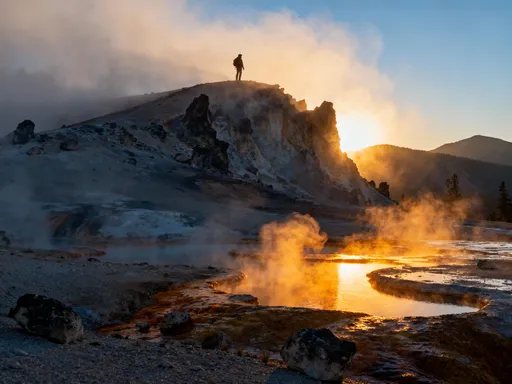
One of Chiang Rai’s most soothing natural offerings is its network of geothermal hot springs, where mineral-rich water rises from deep within the earth. These natural baths, scattered across the mountainous regions, provide a rare luxury found nowhere else—warmth born of the planet itself. Unlike commercial spas, these sites remain largely undeveloped, offering a rustic, intimate experience. Wooden platforms or simple stone pools channel the steaming water, allowing visitors to soak while surrounded by forest and fresh mountain air.
The contrast between the warm water and the cool mountain breeze creates a deeply relaxing sensation. As the heat seeps into muscles, tension begins to dissolve, replaced by a gentle calm. Many visitors report improved circulation and relief from minor aches, though these benefits are best understood as part of a holistic experience rather than a medical treatment. The act of soaking becomes a ritual—a pause in the journey to reconnect with the body and the present moment.
Nearby picnic areas often invite travelers to linger. Families and small groups spread out mats, unpacking simple meals of sticky rice, grilled fish, and fresh fruit purchased from local markets. The communal aspect adds warmth to the experience, turning a solitary soak into a shared moment of contentment. Vendors nearby may offer boiled eggs or corn cooked directly in the hot spring water, a local tradition that adds charm to the visit.
Yet, these delicate environments require mindful use. The mineral deposits that form around the springs are slow-growing and easily damaged. Standing on fragile terraces or introducing foreign substances like lotions can disrupt the natural processes. Visitors are encouraged to enter the water clean, avoid excessive noise, and respect posted guidelines. By doing so, they help maintain the balance that allows these springs to continue flowing, untouched and therapeutic, for generations to come.
River Journeys Through Pristine Valleys
The rivers of Chiang Rai are more than scenic backdrops—they are lifelines that shape the land and sustain communities. Originating in the highlands, clear mountain streams gather into winding rivers that cut through lush valleys, their currents carving gentle curves through the earth. These waterways offer some of the most peaceful and immersive ways to experience the province’s natural beauty. Whether floating in a traditional longtail boat, kayaking at a leisurely pace, or simply walking along the riverbank, travelers find themselves moving in rhythm with the water’s flow.
Along the banks, biodiversity thrives. Kingfishers dive with precision, their bright plumage flashing in the sunlight. Dragonflies hover above the surface, their iridescent wings catching the light. Herons stand motionless in shallow waters, waiting for the perfect moment to strike. Overhead, the canopy provides shelter for hornbills and bulbuls, their calls echoing across the valley. The riverbanks themselves are rich with plant life—bamboo groves, wild ginger, and creeping vines that drape from overhanging branches.
For those seeking a deeper connection, eco-friendly river tours led by local guides offer insight into both the ecology and culture of the region. These small-group excursions prioritize sustainability, using low-impact boats and avoiding motorized speeds that disturb wildlife. Guides often share stories of how villages rely on the river for irrigation, fishing, and transportation, creating a narrative that links nature with daily life. Some tours include stops at quiet river islands or hidden swimming holes, perfect for a refreshing dip away from any trail or road.
To make the most of a river journey, travelers should bring lightweight, quick-drying clothing, a wide-brimmed hat, and water-resistant footwear. Sun protection is important, but reef-safe sunscreen is recommended to avoid contaminating the water. Staying hydrated and carrying a reusable water bottle supports both personal comfort and environmental responsibility. When approached with care, river exploration becomes more than recreation—it becomes a dialogue with nature.
The Silence of Untamed Forest Trails
Walking through Chiang Rai’s forest trails is an exercise in mindfulness. Unlike manicured parks or crowded nature reserves, these paths remain largely wild—untamed, unlit, and unmarked in many places. The experience is defined by sound, or rather, the absence of human noise. Footsteps on gravel, the rustle of leaves in the wind, the distant call of a cicada—these become the soundtrack of the journey. There are no loudspeakers, no announcements, no background music. Just the quiet pulse of the forest.
Trekking here can be done with a guide or independently, though the former is recommended for first-time visitors. Local guides not only ensure safety but also enrich the experience with knowledge of plant species, animal tracks, and traditional uses of forest resources. They might point out a medicinal herb used for centuries or explain how certain trees indicate water sources nearby. These insights transform a simple hike into a living lesson in ecological wisdom.
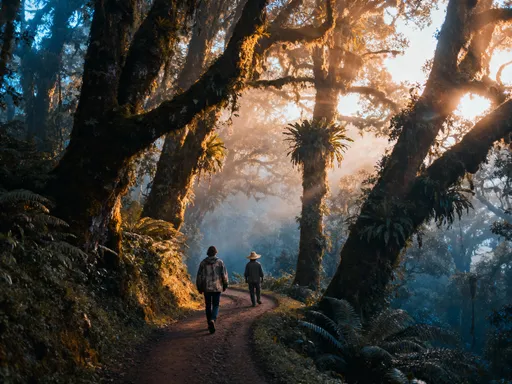
The trails vary in difficulty, from gentle loops through secondary forest to steep ascents into primary jungle. Along the way, hikers encounter towering dipterocarps, ancient trees whose trunks rise like pillars into the sky. Fungi bloom on fallen logs, and orchids cling to bark in shaded nooks. In the early morning, mist often lingers in the lower areas, creating an ethereal atmosphere that feels almost otherworldly. Wildlife sightings are possible but never guaranteed—this is not a zoo, but a habitat where animals move freely and quietly.
Respect for wildlife is paramount. Feeding animals, straying from paths, or making excessive noise disrupts their natural behaviors. Travelers are encouraged to observe from a distance, use binoculars for closer views, and leave no trace of their passage. By doing so, they honor the forest not as a backdrop for photos, but as a living, breathing entity deserving of reverence.
Why Slow Travel Deepens the Connection
In a world that often measures travel by the number of destinations checked off a list, Chiang Rai invites a different approach—one of slowness, presence, and depth. Rushing through the province would mean missing its essence. The real magic unfolds not in hours, but in days: lingering in a single valley, returning to the same waterfall at different times of day, or sharing multiple meals with a host family. This is the philosophy of slow travel—choosing quality of experience over quantity of sights.
Homestays play a vital role in this journey. Staying with local families offers more than a place to sleep—it opens a window into daily life. Guests may help prepare meals using ingredients from the garden, learn simple phrases in a hill tribe language, or join in a morning ritual of feeding chickens or tending herbs. These small moments build bridges of understanding, transforming strangers into temporary kin. The food, often simple and seasonal, carries a flavor that no restaurant can replicate—because it is made with care, shared with warmth, and eaten in community.
Conversations with residents often reveal a deep-rooted connection to the land. Elders speak of changes in weather patterns, younger generations discuss efforts to preserve traditions, and children proudly show off their knowledge of local plants. These exchanges remind visitors that nature is not separate from culture—it is woven into it. The forest, the river, the mountain—they are not just scenic attractions, but sources of identity, sustenance, and spiritual meaning.
Slow travel also allows for spontaneity. A planned hike might be replaced by an invitation to a village festival. A rainy afternoon could lead to storytelling under a porch. These unplanned moments often become the most memorable, not because they were photographed, but because they were felt. In slowing down, travelers rediscover the art of attention—of truly seeing, listening, and being present.
Conclusion: Chiang Rai as a Living Landscape
Chiang Rai is not a destination to be conquered or a list to be completed. It is a living, breathing landscape that reveals itself gradually, to those willing to listen. Its beauty lies not in grand spectacles, but in quiet details—the way light filters through bamboo, the sound of water over stone, the warmth of a shared meal in a hillside home. These moments, unscripted and unhurried, form the heart of a truly meaningful journey.
In a time when travel can feel transactional—booked, timed, and filtered—Chiang Rai offers a return to authenticity. It asks nothing of visitors but respect and presence. In return, it offers clarity, peace, and a renewed sense of connection—to nature, to community, and to oneself. The hidden wonders of this northern province are not just places on a map. They are invitations—to step off the path, to breathe deeply, and to remember that the earth still holds spaces of silence, green light, and untouched wonder. For those who answer the call, the journey becomes not just a trip, but a transformation.